
Last updated October 30, 2026
 Wrought iron
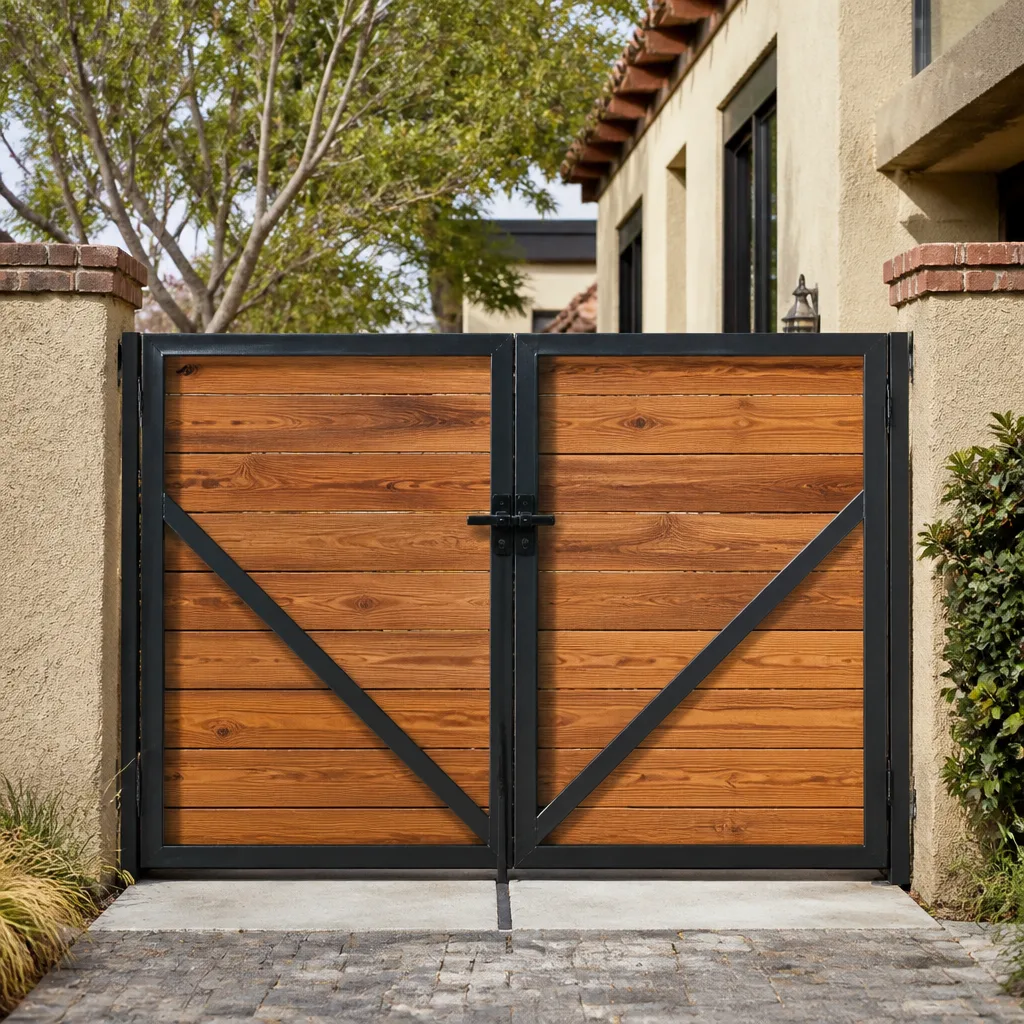 Wood & steel frame
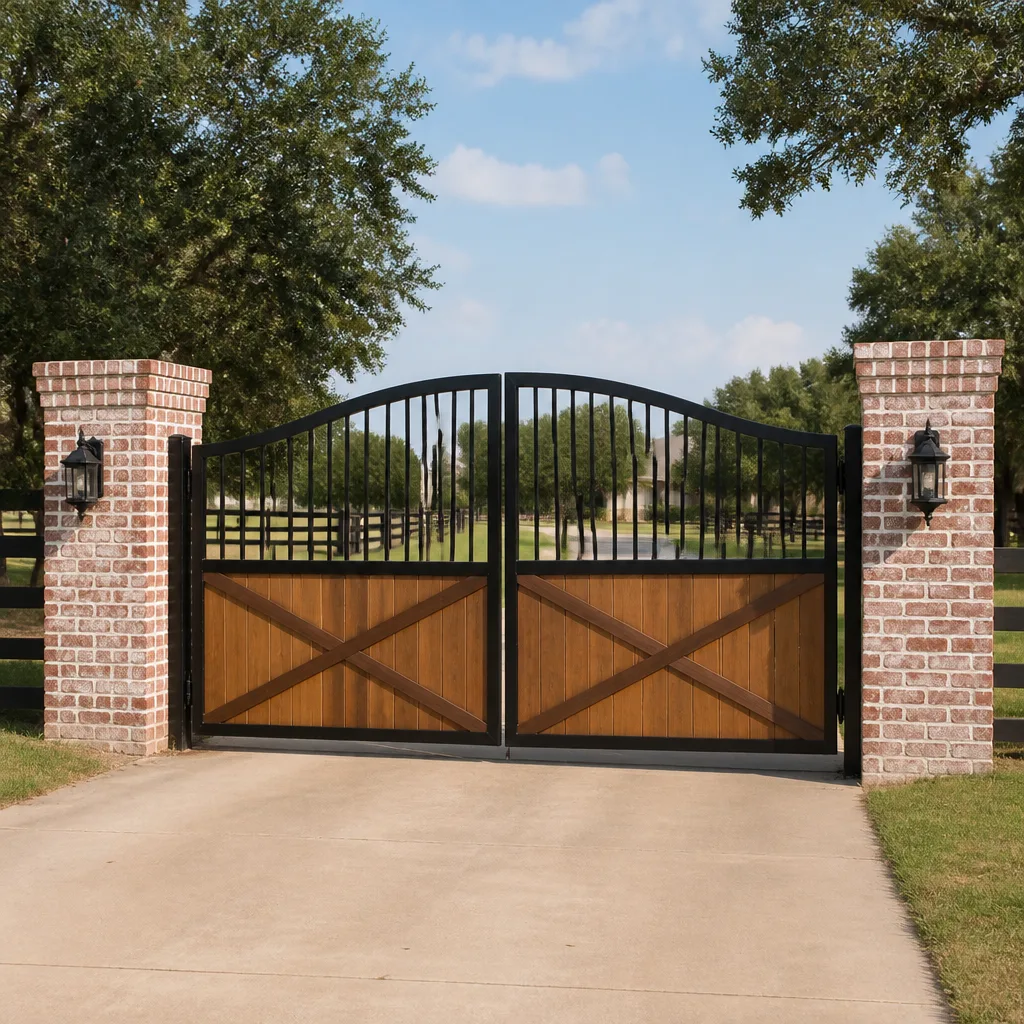 Farm & ranch
 Sliding driveway gates
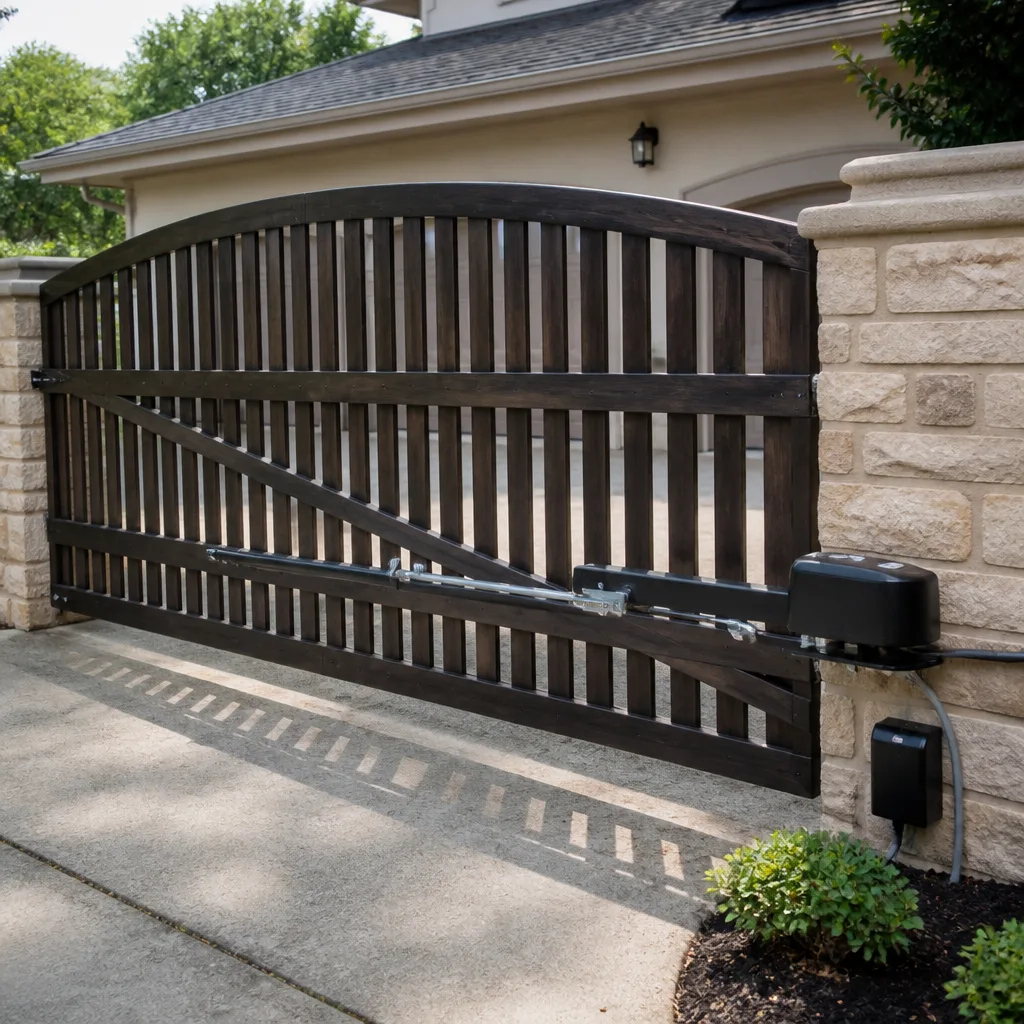 LiftMaster operators
Free on-site gate assessment - hinges, posts, and your LiftMaster or Nice gate operator checked before anything is quoted
The assessment is free and the quote is the invoice.
Get your free estimateGate Repair Troubleshooting: Common Problems and How to Fix Them
Resetting your gate operator when the real problem is a misaligned limit switch doesn’t fix anything. It just teaches the motor to burn out faster. We see this pattern constantly in Chino, where summer heat pushes gate electronics past their tolerance and winter rains expose every weak connection. This guide separates troubleshooting by gate type and operator class, because a sliding gate on a slope fails differently than a swing gate with a hydraulic arm. You’ll learn the diagnostic sequence we use on every service call, how to read fault codes without a manual, and the two-minute battery test that saves homeowners hundreds in unnecessary board replacements.
Quick Answer
Most automatic gate failures trace back to one of five root causes: misaligned photo eye sensors, dead or failing backup batteries, limit switch drift, power supply interruption, or obstructed track/gear assemblies. Before you touch the operator, check power first, then sensors, then mechanical obstruction, then the battery. For our Gate Repair services in Chino and surrounding areas, Lexington Gate Repair diagnoses these issues daily and fixes most in a single visit.
Styles & brands we work with
Table of Contents
- Understand Your Gate Type Before Troubleshooting
- Step 1: Check Power and Battery Backup
- Step 2: Photo Eye Sensor Alignment Test
- Step 3: Reading Fault Codes on Major Brands
- Swing Gate Troubleshooting: Hinges, Arms, and Limits
- Sliding Gate Troubleshooting: Track, Wheels, and Chain
- Overhead Gate Troubleshooting: Torsion and Tension Systems
- Common Mistakes to Avoid
- When to Call a Professional
- Frequently Asked Questions
- The Bottom Line
Understand Your Gate Type Before Troubleshooting
Generic gate troubleshooting advice fails because it treats every gate like every other gate. A cantilever sliding gate rides on rollers above the ground with no track to clog. A V-track sliding gate has wheels in a groove that collects Chino’s characteristic fine dust and decomposing leaf matter from our mature eucalyptus stands. A swing gate with an articulated arm operator distributes force differently than one with a buried hydraulic piston. The checks you run depend entirely on which configuration sits in your driveway.
We work on all of them, and the diagnostic order matters. Here’s what you need to identify first:
- Swing gates: Hinged panels that pivot on posts. Load is concentrated at hinges and operator attachment points. Failures tend to be mechanical (hinge wear, post lean) before electronic.
- Sliding gates: Panels that roll horizontally on wheels, either cantilevered (no ground track) or V-track (grooved track along the ground). Failures concentrate in wheels, bearings, track alignment, and chain/belt tension.
- Overhead gates: Less common in residential Chino but present in some commercial and industrial settings. These use counterbalance springs or torsion systems. When they fail, the panel can drop suddenly if springs haven’t been maintained.
- Operator class: Linear and DoorKing operators dominate commercial sliding gates. Ghost Controls and Viking show up frequently on residential swing gates. Each brand has its own fault code language, which we’ll cover below.
Why this matters: a misdiagnosis isn’t just wasted time. Running a swing gate operator while the hinge is seized burns out the motor. Adjusting a sliding gate operator’s force settings to compensate for a clogged V-track wears the gearbox prematurely. In Chino’s summer heat, when metal expands and electronics already run near their thermal ceiling, pushing an operator past its design spec turns a $45 wheel replacement into a $600 operator rebuild. Gate repair in Chino starts with identifying the right problem, not the first problem you find.
Step 1: Check Power and Battery Backup
Half the “dead gate” calls we get in Chino resolve at the power source. Before you dismantle anything, run these checks in order:
- Verify the operator has AC power. Trip and reset the dedicated breaker. Many Chino homes built in the 1980s and 1990s have gate circuits shared with landscape lighting or pool equipment. A tripped GFCI outlet on the other side of the yard will kill the gate.
- Check the on/off switch on the operator itself. It sounds obvious, and that’s the point. Landscapers, pool service techs, and kids hit these switches weekly.
- Test the battery backup. If your operator has a battery (most residential LiftMaster and Viking units do, and most commercial DoorKing systems do), disconnect AC power and try to operate the gate on battery alone.
Here’s the two-minute battery test that separates a battery failure from a board failure:
With AC power disconnected, attempt to open or close the gate. If the gate moves slowly or not at all, the battery is failing or failed. If the gate moves at normal speed but the operator still won’t respond normally when AC is restored, you likely have a board or connection issue. Batteries in Chino’s heat typically last 2 to 4 years, not the 5 to 7 manufacturers sometimes claim. A battery that reads 12 volts with no load can drop below 9 volts under starting load, and that’s enough to confuse the board into throwing random fault codes.
We’ve replaced boards that were perfectly fine because a dead battery was dragging the DC bus low enough to corrupt the logic. Always test the battery under load before condemning the board.
Step 2: Photo Eye Sensor Alignment Test
Roughly 60% of “gate won’t close” calls trace back to photo eye sensors, also called photoelectric sensors or safety beams. These are the pair of small boxes mounted low on either side of the gate opening. One emits an invisible infrared beam, the other receives it. If the beam is broken, the operator refuses to close the gate, which is exactly what the sensor is designed to do.
The test that catches most problems before any parts are ordered:
- Check for obstruction. Anything interrupting the beam triggers a no-close condition. Weeds, a trash can moved too close, a parked car’s bumper, accumulated Chino dust on the lens.
- Clean both lenses. Use a dry cloth. Chino’s dry climate means dust accumulation is constant, and a hazy lens diffuses the beam enough to register as an obstruction.
- Check the indicator lights. Most photo eyes have a small LED. Solid green or solid red typically means aligned and receiving. Blinking means misaligned or obstructed. No light at all means no power to the sensor.
- Re-align the sensors. Loosen the mounting bracket and adjust until the receiving sensor’s LED shows solid. Chino’s clay soil shifts seasonally, and a gate post that moves even 1/4 inch can knock sensors out of alignment.
- Test the beam. With the gate open, wave your hand through the beam path. The operator should refuse to close or should reverse if already closing. If it doesn’t respond, the sensor may be bypassed, wired incorrectly, or dead.
If your gate closes only when you hold down the close button (constant-pressure mode), that’s the operator telling you the safety circuit is interrupted. The photo eyes are the first suspect. For electric gate repair in Chino, sensor alignment is step one on nearly every no-close diagnostic.
Step 3: Reading Fault Codes on Major Brands
Modern operators from Linear, Viking, DoorKing, and Ghost Controls store diagnostic codes that tell you exactly what the board thinks is wrong. You don’t need the manual if you know where to look and what the common codes mean.
Linear operators use a diagnostic LED on the control board that flashes in patterns. A steady flash typically means normal operation. Two flashes usually indicate a photo eye obstruction or wiring issue. Three flashes often point to a force reversal (the gate encountered resistance while moving). Four flashes generally mean a limit switch error. The gate tried to run past its stop point.
DoorKing systems display codes on the LCD screen on the circuit board. The most common entries we see on Chino commercial gates include “Photo Eye 1/2 Open” (beam interrupted), “Entrapment Sensor” (edge sensor triggered), and “Max Run Time” (the gate attempted to move longer than its programmed travel time, usually a mechanical bind or broken chain). DoorKing boards also log the last several fault events, which helps differentiate a one-time obstruction from a recurring mechanical problem.
Viking residential operators use LED blink patterns on the control board similar to Linear. A constant slow blink is healthy. Two blinks: photo eye. Three blinks: motor overload or force obstruction. Five blinks: limit switch fault. Viking’s documentation is thin, which is why we keep brand-specific fault reference sheets in every service van.
Ghost Controls (common on residential swing gates) uses a series of flashing patterns on the gate opener’s main control board. Ghost’s system is deliberately simple, but their most common failure is the battery cable harness corroding at the connector. We see this frequently in Chino because morning marine layer moisture, followed by dry heat, accelerates corrosion cycles.
One caution: fault codes point you toward the circuit the board thinks is faulting, not necessarily the actual failed component. A “photo eye error” on a Linear board could be a failed sensor, a cut wire under the driveway, or a board input channel that’s gone bad. That’s where systematic testing beats code reading.
Swing Gate Troubleshooting: Hinges, Arms, and Limits
Swing gates fail from the outside in. The hinges and posts take the load first, then the operator, then the electronics. Here’s the sequence we follow on every Chino swing gate diagnostic:
- Inspect the hinge welds and bolts for movement. Open the gate fully and push laterally on the panel at the latch side. Any visible play at the hinge means the hinge has wear, the post is moving, or the welds are cracking. A gate that sags even 1/2 inch at the latch puts misalignment stress on the operator arm and strips gears over time.
- Check the operator arm attachment points. Articulated arms (common on Ghost Controls and Viking residential systems) have clevis pins and bushings that wear. A worn bushing sounds like a knock or clunk when the gate starts moving.
- Verify limit switch settings. The gate should stop flush with the closed post and fully parallel with the fence line when open. If the gate slams against the post or stops short, the limits need adjustment. In Chino’s temperature swings, limit drift is common on older mechanical-limit systems because thermal expansion of the arm linkage shifts stop points by fractions of an inch.
- Check hydraulic fluid on hydraulic operators. If your swing gate uses a hydraulic piston (common on higher-end residential and some commercial installations), check for visible fluid weeping at the rod seal. Low fluid causes slow operation or a gate that won’t hold position against wind.
Swing gates on sloped driveways compound every one of these issues. When the ground drops away from the hinge post, the gate’s weight pulls constantly at the lower hinge, accelerating wear and fighting the operator on every cycle. In Chino’s hillier residential streets, we regularly reinforce hinge posts and re-balance panels before touching the operator. The operator was often fine from the start.
See the difference
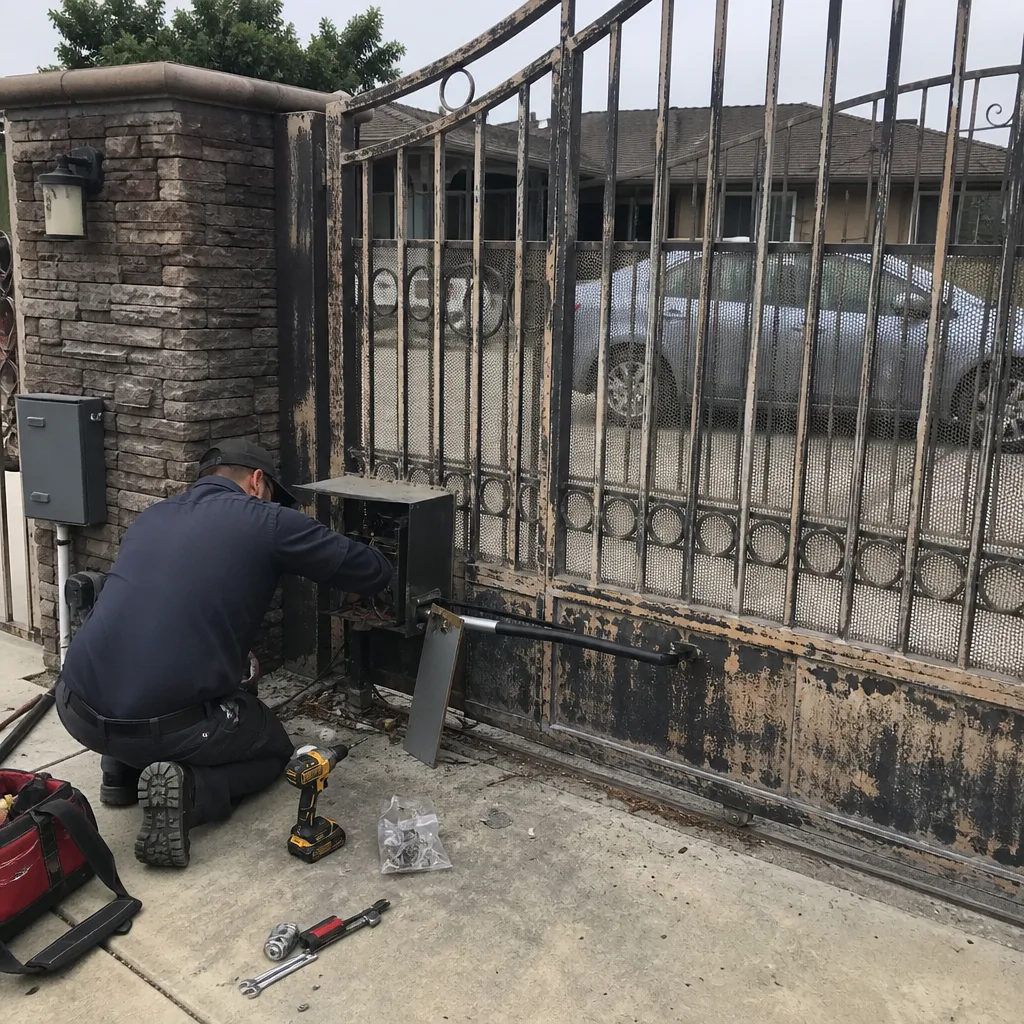 Before
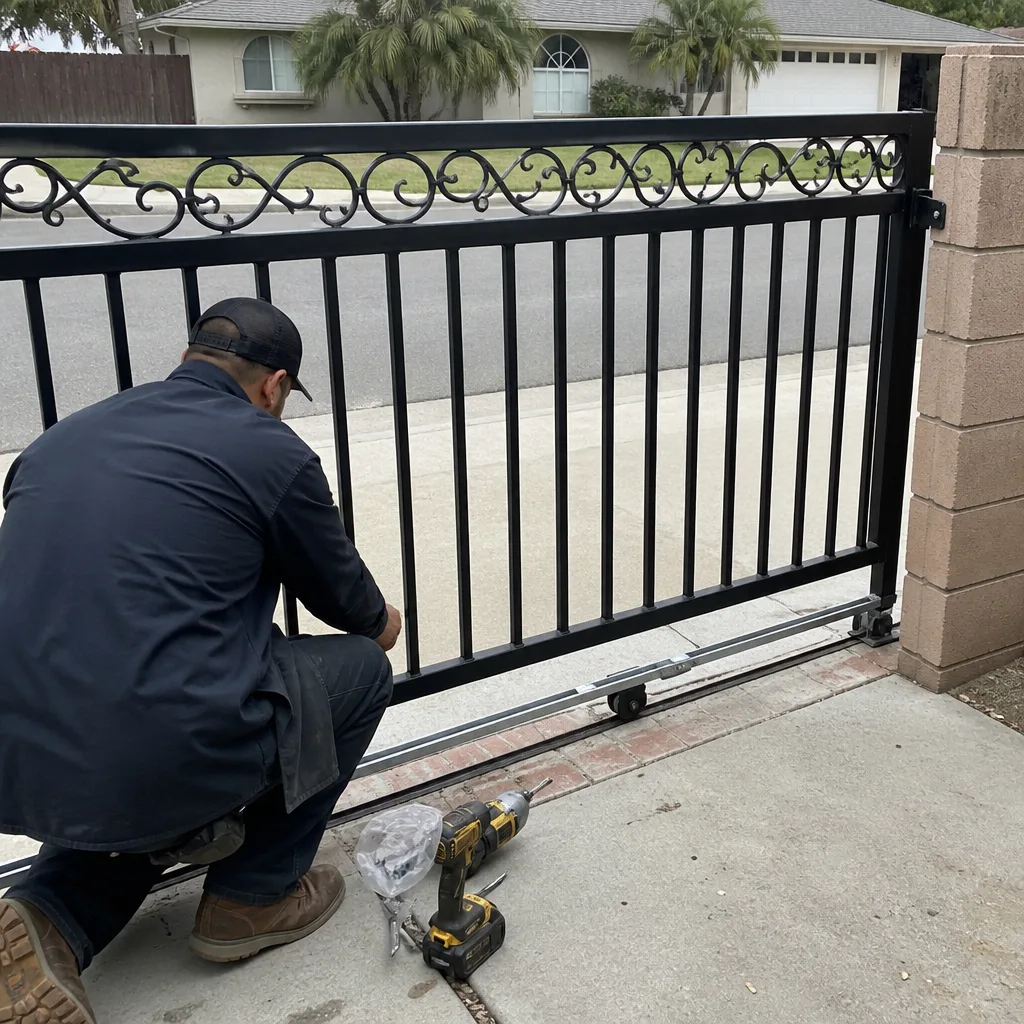 After
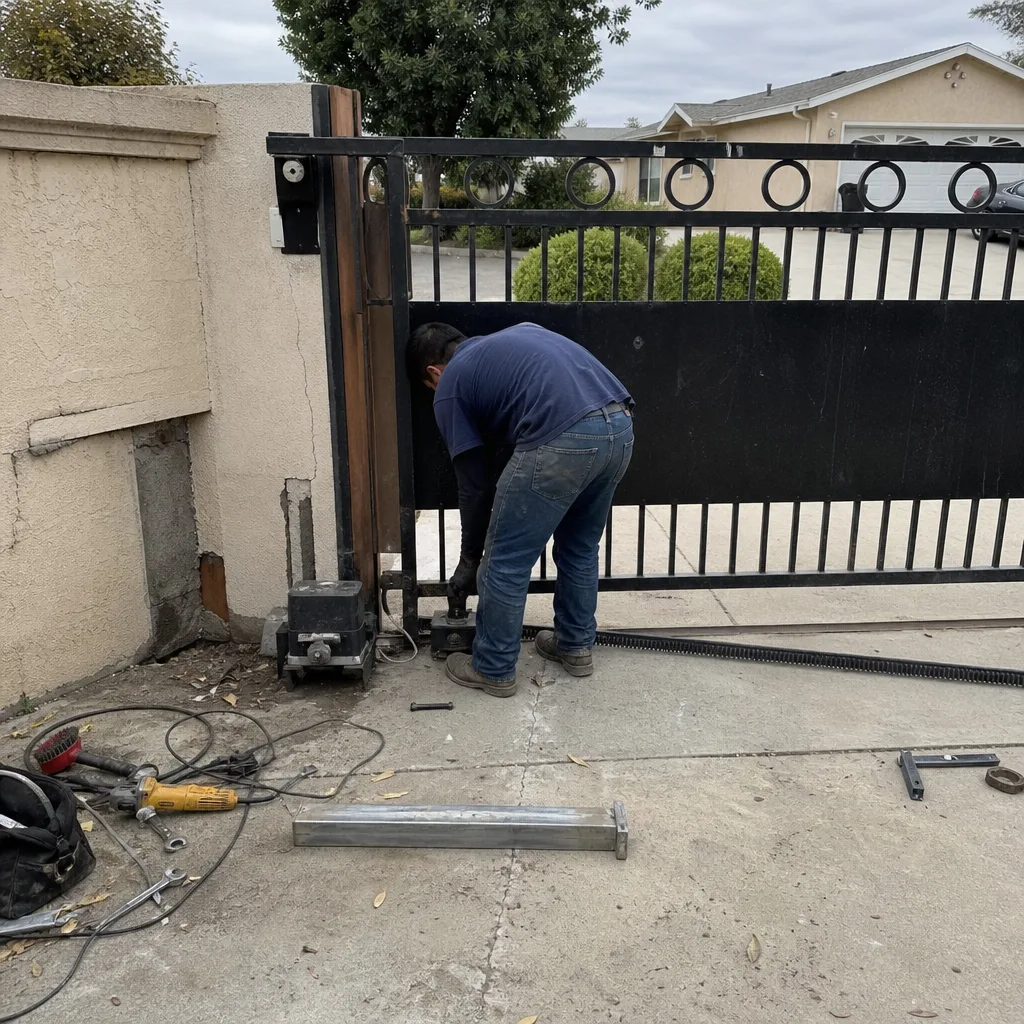 Before
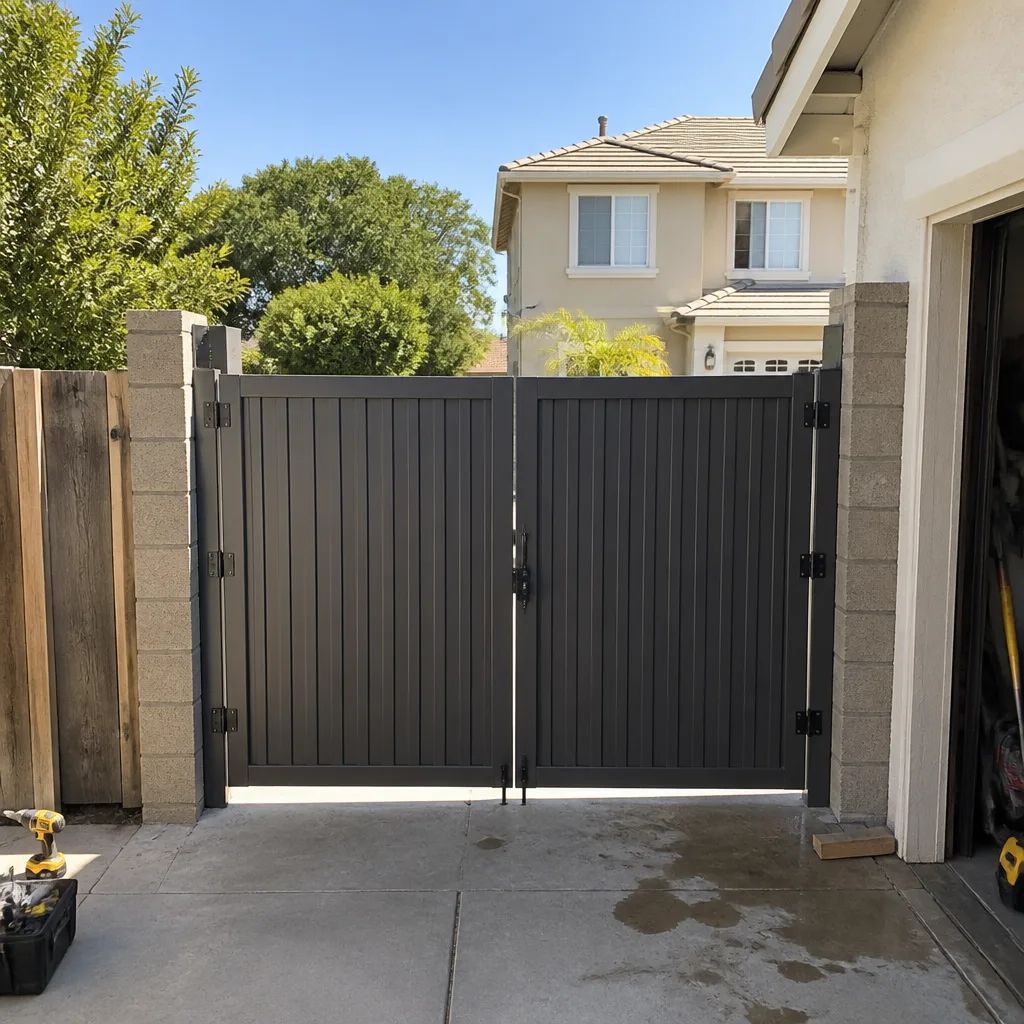 After
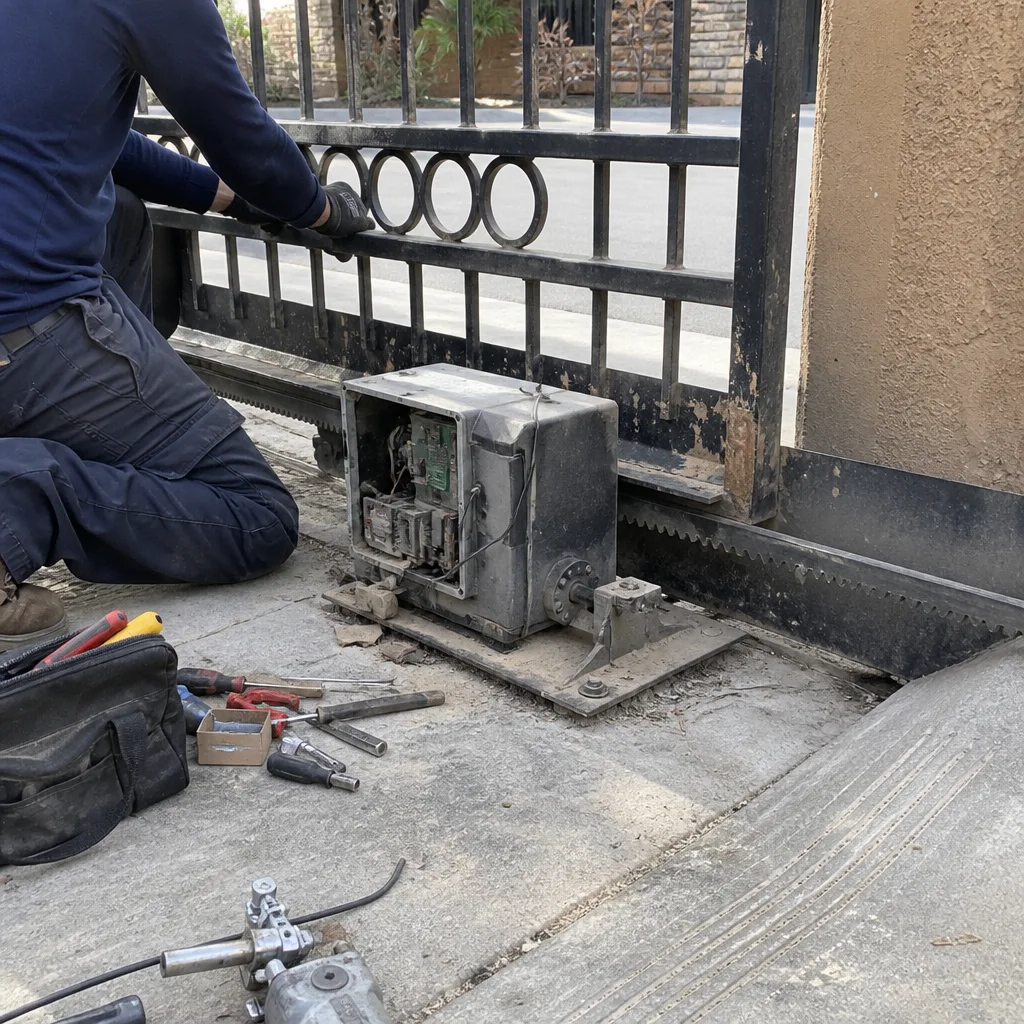 Before
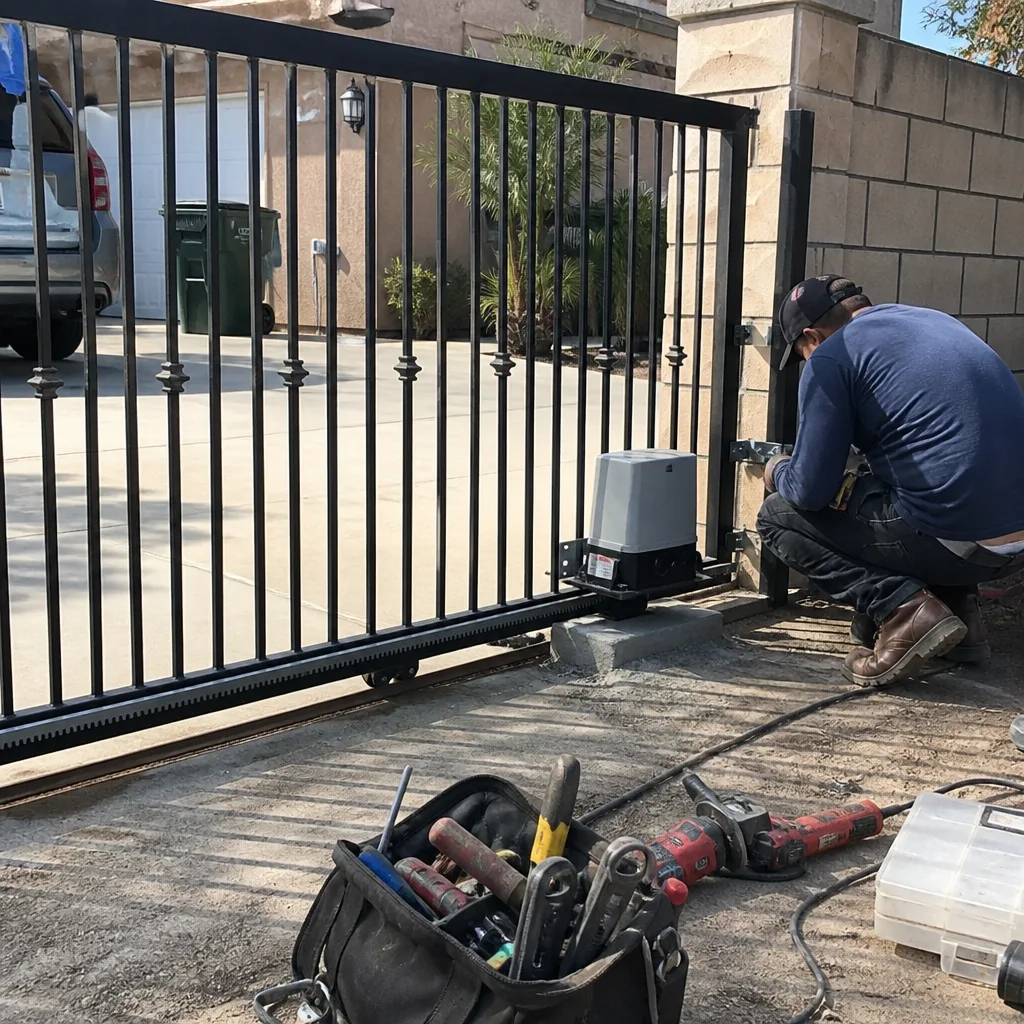 After
Sliding Gate Troubleshooting: Track, Wheels, and Chain
Sliding gates concentrate failure in the rolling assembly. The operator is almost never the first thing to fail unless it’s been repeatedly overloaded by a gate that stopped rolling smoothly.
- Cantilever gates hang from rollers on the fixed post side, riding on a horizontal rail that runs the length of the panel. When the gate gets hard to push manually, check the rollers first. Sealed bearings fail, especially after Chino’s dusty summers. Replace rollers in pairs, never singly.
- V-track gates roll on wheels in a greased or dry groove. Inspect the groove for packed dirt, gravel, and leaf debris. Clean it, then check that the gate rolls without side-to-side wobble. A wobble means wheel bearings or the V-wheel itself is worn.
- Chain and sprocket systems (common on DoorKing commercial sliders) stretch over time. Proper tension allows about 1 inch of deflection at the chain’s midpoint. Too loose and the gate lurches. Too tight and you load the gearbox output shaft, which is an expensive replacement.
- Belt-drive residential sliders (some Viking and Linear models) use a cogged belt that develops cracks or strips teeth. If the operator motor runs but the gate doesn’t move, the belt is stripped or the sprocket key has sheared.
Chino’s specific climate matters here. The fine, talcum-like dust from our dry hills makes its way into V-track grooves and clings to greased chains, forming an abrasive paste that accelerates wear. Quarterly cleaning of V-track grooves and chain lubrication (with a dry graphite lube, not grease that traps dust) extends component life measurably. Gate installation in Chino done right accounts for local soil, drainage, and dust conditions from day one.
Overhead Gate Troubleshooting: Torsion and Tension Systems
Overhead gates are less common in Chino residential settings but show up in commercial loading docks, storage facilities, and some industrial access points. They fail differently than swing or slide gates because the panel weight is counterbalanced rather than supported from below.
The critical safety point: overhead gate springs (torsion springs mounted above the panel or extension springs along the tracks) are under extreme tension. A spring that lets go releases stored energy with enough force to cause serious injury or death. If you hear a loud bang from the spring area or see a visibly broken spring, do not attempt adjustment or repair. The gate panel also becomes dangerously heavy without spring tension and can drop.
What you can check safely:
- Track alignment. Straight tracks with no gaps at the joints. A misaligned track causes the rollers to bind, and the operator will struggle or reverse.
- Roller condition. Worn rollers (nylon wheels disintegrating, ball bearings grinding) add load on the operator and cause jerky movement.
- Operator limits. The gate should open fully without slamming the frame stops. If it stops early, the open limit needs adjustment. If it crunches into the stops, the close limit is off.
- Safety edges. Commercial overhead gates have reversing edges or photo sensors. Test them with a soft obstruction. If safety devices don’t reverse the door, call a professional immediately.
For overhead gates in commercial Chino settings, operators are typically industrial-duty Linear or DoorKing units integrated with access control. The same logo on the housing doesn’t mean the same internals as a residential unit, and fault code interpretation differs. If you’re managing a commercial property, document what brand and model you have before calling for service. It saves a trip and gets the right parts on the truck the first time.
Common Mistakes to Avoid
- Resetting the operator repeatedly without fixing the underlying fault. Every reset erases the diagnostic history and forces the motor to attempt operation under whatever condition tripped the fault in the first place. You’re not clearing the problem, you’re drafting a larger repair bill.
- Adjusting force settings to overcome a mechanical bind. If the gate is suddenly needing more force to move, something is wearing or obstructed. Cranking the force potentiometer on your Linear or Viking board masks the symptom while the operator outputs more torque than the gearbox was speced for.
- Replacing the battery without testing the charging circuit. A dead battery with a healthy charger is a battery replacement. A dead battery with a failed charger is another dead battery in six months.
- Welding the photo eye brackets into a new position without re-testing. The sensor angle must match across the full gate travel. We see DIY fixes where the gate closes perfectly until the panel obscures the beam at the last foot of travel, then refuses to finish closing.
- Ignoring gate post movement in Chino’s shrink-swell soil. The clay here expands and contracts with moisture. A gate that binds every winter and works fine every summer has a post or pad heaving. Fix the foundation issue before touching the operator.
- Opening the operator housing with power still live. Capacitors retain charge after AC is disconnected. A charged capacitor can deliver a serious shock. Always disconnect power and wait for the capacitor to discharge.
- Voiding the warranty by opening a sealed housing. Some Ghost Controls and Viking residential units have tamper-evident seals. Breaking the seal to “take a look” voids the manufacturer warranty. If the unit is under warranty, call the manufacturer or a certified service provider before opening anything.
When to Call a Professional
Call a gate specialist when the gate has become dangerous (a spring has broken, the panel has dropped, or the gate operates without the safety sensors responding), when fault codes persist after basic checks, or when you’ve done the troubleshooting above and the problem remains. If you’re unsure whether it’s time, see our Gate Repair Warning Signs: A Chino Homeowner’s Reference Guide. A gate that reverses randomly, moves in the wrong direction, or attempts to move without being commanded has a board-level issue that needs diagnostic equipment. If your gate opener is still under manufacturer warranty, a certified service call protects the coverage. Lexington Gate Repair offers free estimates in Chino – call (866) 304-1321. We come from a gate-specific background, not a general handyman background, so the diagnostic happens correctly the first time.
Frequently Asked Questions
In almost all cases, the photo eye sensors are either obstructed or misaligned. The operator sees the beam as broken and refuses to close as a safety default. Clean both lenses, realign the sensors, and check that no vegetation, vehicle, or object blocks the beam path. If the gate still won’t close, the sensor itself may have failed or the wiring between the sensor and the board may be damaged.
Gate repair pricing varies by the components involved. A simple sensor realignment or battery replacement lands on the lower end, while board replacement or operator rebuilds run higher. What we guarantee at Lexington Gate Repair is a quoted, agreed price before any work begins. You’ll never get a surprise invoice. For an exact quote on your specific gate and brand, call (866) 304-1321 for a free estimate.
For most common failures including sensor issues, dead batteries, and mechanical binds, same-day service is often available in Chino and nearby. We keep common parts for Linear, Viking, DoorKing, and Ghost Controls systems stocked in our vans precisely because waiting on a part that’s already on the truck is unnecessary. Call (866) 304-1321 and tell us your gate brand and symptom and we’ll tell you realistically when we can be there.
The beep is the operator’s alert that it received a command but found an unsafe condition to act on. Usually that’s a photo eye issue or a force obstruction. It can also indicate the battery is too depleted to move the gate even though the board has enough power to sound the alert. Test AC power first, then the battery under load, then the photo eyes.
Yes. We service DoorKing, Linear, Viking, Ghost Controls, LiftMaster, FAAC, BFT, Elite, and Mighty Mule systems on both residential driveways and commercial/HOA access points. Each brand has its own fault code logic and mechanical configuration, and our technicians work with them daily. When you tell us the brand over the phone, you’re talking to someone who knows what parts your gate likely needs before we arrive.
Rain in Chino triggers ground moisture changes that shift posts and pads in our clay soil, which knocks sensors out of alignment or binds a track. Water intrusion into a junction box or cracked sensor housing also creates an intermittent short that only appears when the ground is wet. We find these seasonal failures by testing components while the problem is active, not on a dry sunny day when everything works. Call us while the gate is acting up if you can. The diagnostic is far more accurate.
The Bottom Line
Gate troubleshooting works when you match the test to the gate type. Swing gates fail at hinges and posts first. Sliding gates fail at rollers, track, and drive components. Overhead gates fail at springs and safety edges. Power and battery checks come before operator inspection. Photo eyes account for most no-close failures. Fault codes tell you where to look, but systematic testing tells you what’s actually broken. When basic checks don’t surface the problem, call a gate specialist rather than forcing the operator to work around a mechanical fault. For more guides & resources, visit our blog. Your gate’s job is security and safe access. That’s worth diagnosing correctly the first time.
Written by the team at Lexington Gate Repair, serving Chino since 2011.
For professional gate repair, electric gate repair, or new gate installation, call Lexington Gate Repair at (866) 304-1321. We diagnose your gate correctly the first time, and we quote the price before any work starts. Lexington Gate Repair home is where you’ll find more about our services, or reach us directly at the number above.