
Last updated October 30, 2026
 Wrought iron
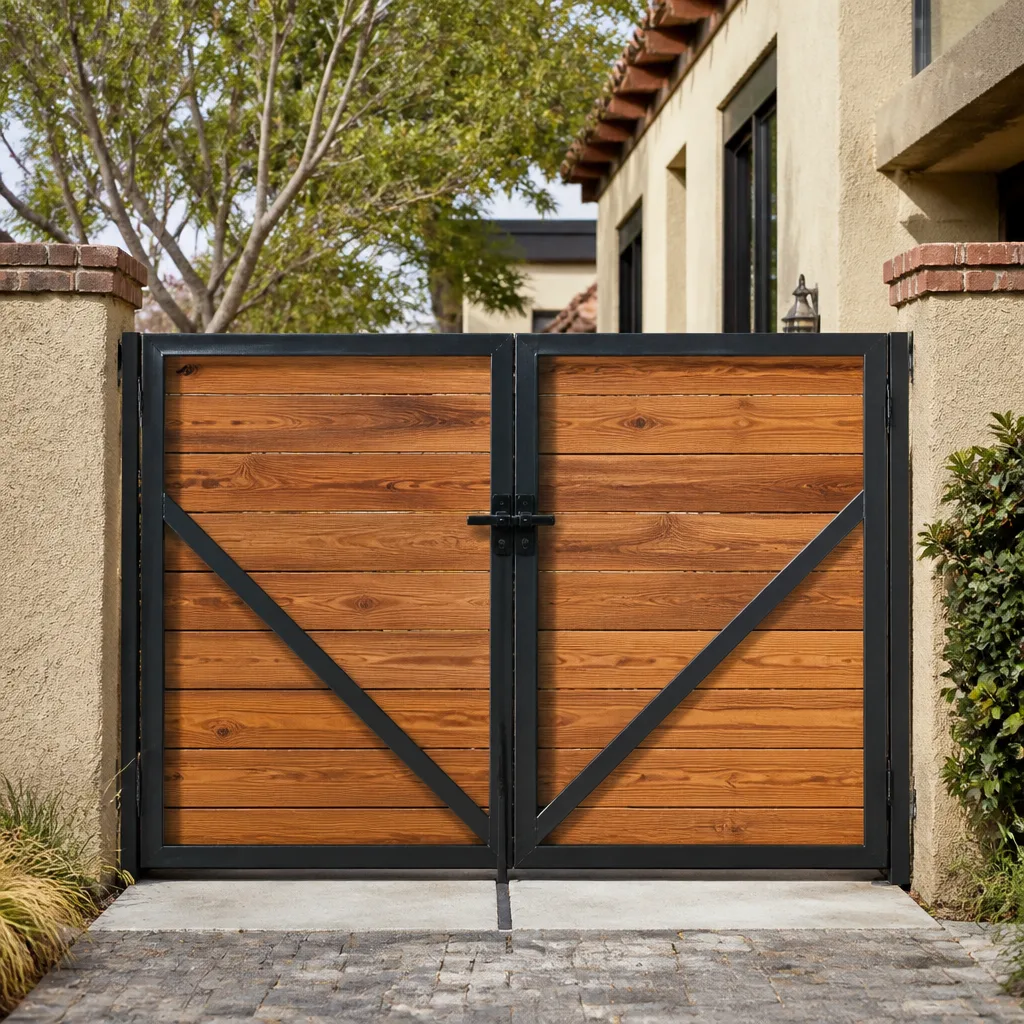 Wood & steel frame
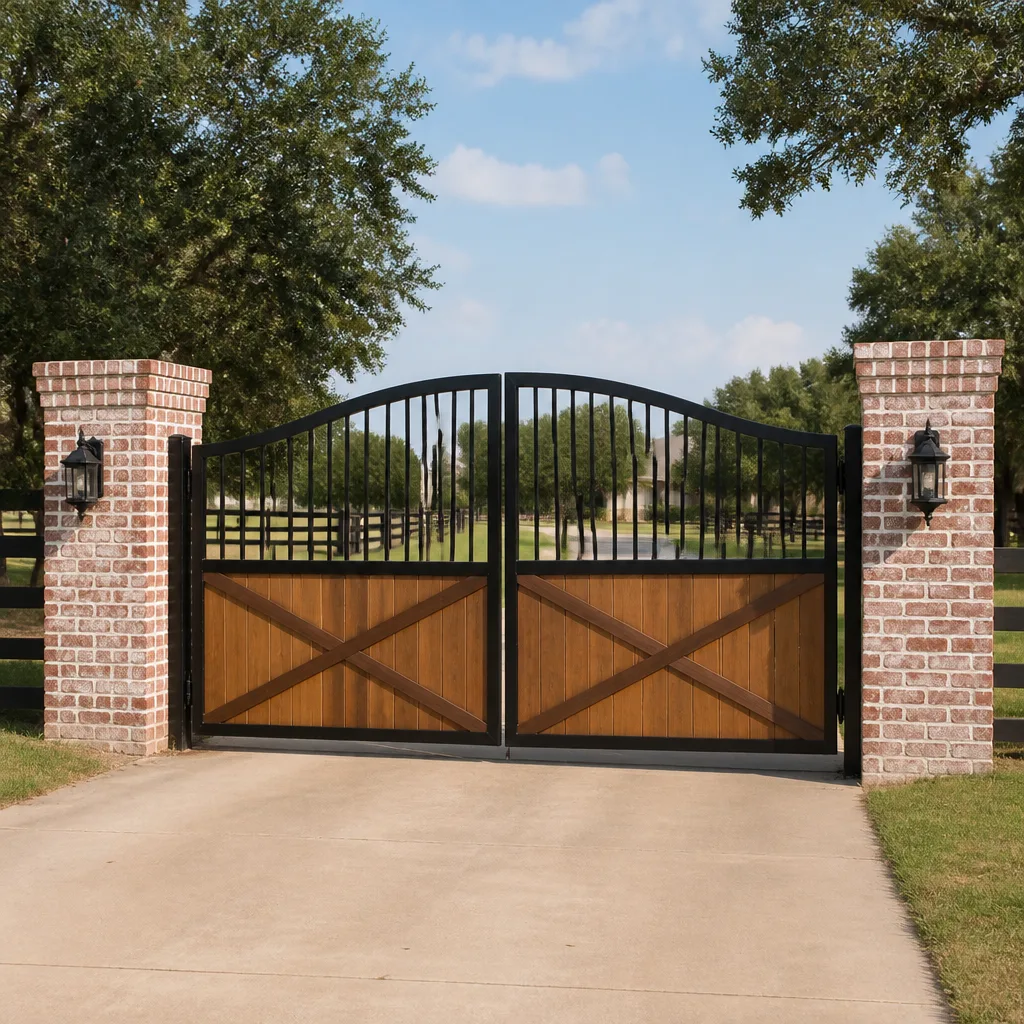 Farm & ranch
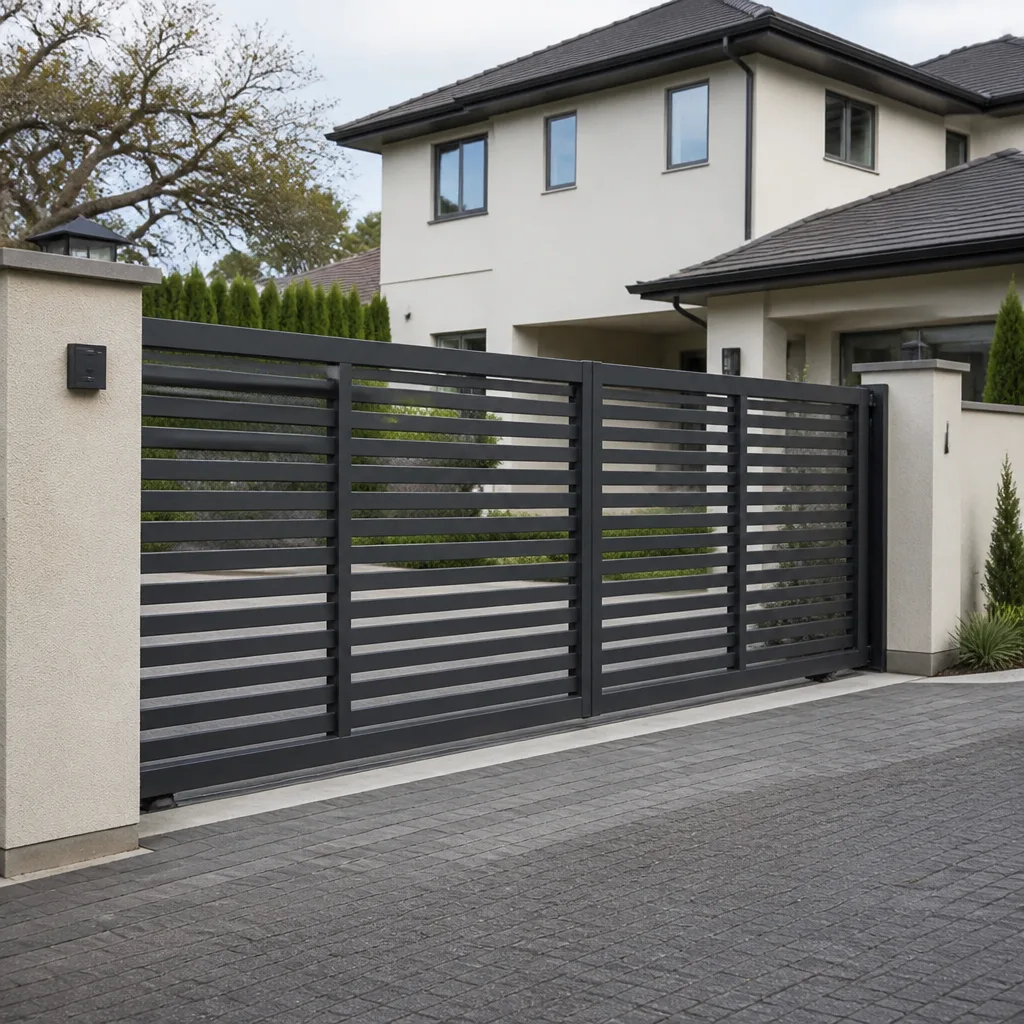 Sliding driveway gates
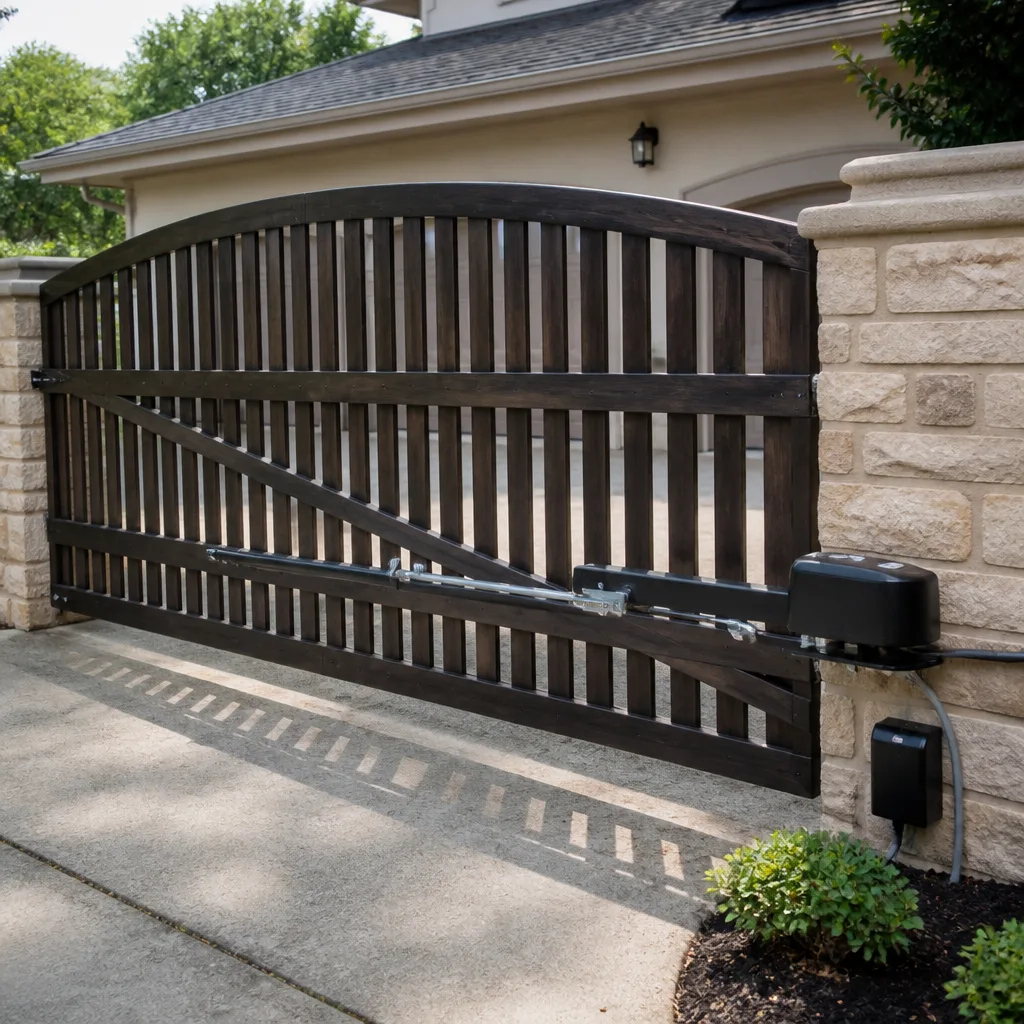 LiftMaster operators
Free on-site gate assessment - hinges, posts, and your LiftMaster or Nice gate operator checked before anything is quoted
The assessment is free and the quote is the invoice.
Get your free estimateThe Complete Gate Repair Guide for Chino Homeowners
Chino’s clay-heavy soil expands and contracts enough across seasons to shift gate posts by a measurable fraction of an inch, and that fraction is often what’s grinding your motor to death every morning. Most gate failures in Chino trace back to a handful of root causes tied to our specific climate, soil conditions, and common gate hardware, and knowing which category your problem falls into is the difference between a $90 fix and a $900 replacement. This guide gives you a diagnostic framework, not just a symptom list. You’ll learn how to identify whether your gate problem is mechanical, electrical, or structural, which brands fail in predictable ways, when a repair will actually hold, and what to document before you call a technician so you get an accurate quote the first time.
Styles & brands we work with
Quick Answer
Gate repair in Chino typically falls into one of three categories: mechanical (hinges, rollers, post alignment), electrical (motor, control board, sensors, wiring), or structural (concrete footing, post movement from clay soil). Most residential repairs run $90 to $400 for mechanical issues and $150 to $600 for electrical faults, with full operator replacement starting around $800 installed. The single most important diagnostic step is determining whether your gate’s posts have moved, because in Chino’s expansive clay, no amount of motor or hinge work will hold if the posts are shifting seasonally.
Table of Contents
- Why Chino Gates Fail: The Three Root Categories
- Mechanical Gate Problems: Hinges, Rollers, and Post Alignment
- Electrical Gate Problems: Motors, Boards, and Sensors
- Structural Gate Problems: Concrete, Soil, and Post Movement
- Brand-Specific Failure Patterns Chino Homeowners Should Know
- The Chino Gate Diagnostic Decision Tree
- Repair or Replace: When a Fix Will Hold and When It Won’t
- What to Document Before Calling a Technician
- Common Mistakes to Avoid
- When to Call a Professional
- Frequently Asked Questions
- The Bottom Line
Why Chino Gates Fail: The Three Root Categories
Every gate problem we see in Chino fits into one of three buckets, and misdiagnosing which bucket you’re in is the most expensive mistake a homeowner can make. Mechanical failures involve moving parts wearing out: hinges sagging, rollers binding, wheels chewing through tracks. Electrical failures come from the operator, control board, safety sensors, wiring, or power supply. Structural failures happen when the gate’s foundation shifts, usually because Chino’s clay soil swells after winter rains and shrinks during our long, dry summers. Each category produces distinct symptoms, and each requires a different fix. A worn hinge is a $40 part and forty minutes of labor. A shifted post is a half-day excavation job. Understand the categories, and you’ll know which conversation you should be having with a technician before the quote comes through.
Here’s what often happens in Chino specifically: a gate will work fine all summer, then start dragging or stalling after the first significant winter rain. Homeowners assume the motor is dying. In many cases the motor is working harder than it should because the post it’s mounted to has moved a quarter inch, throwing the whole swing arc out of alignment. The motor burns out because of the geometry problem, not in spite of it. Fix the post, then you can evaluate the motor. Fix only the motor, and you’ll replace that motor again in two years.
Mechanical Gate Problems: Hinges, Rollers, and Post Alignment
Mechanical gate problems are the most common category in Chino, and the good news is they’re also the most straightforward to diagnose and usually the least expensive to repair. On swing gates, the first thing to check is whether the gate drags on the ground or hits the latch post at the wrong height. A gate that scrapes the driveway or wanders in its arc is telling you the hinges are worn or the post has shifted. On sliding gates, look at the rollers and the track: worn rollers cause the gate to wobble as it travels, and the extra friction immediately increases the load on the motor. Over time, that drag cooks motors prematurely.
Signs You Have a Mechanical Problem
- The gate scrapes or drags on the ground in part of its swing or slide path.
- The gate jerks or hesitates at a specific point in its travel, even though the motor sounds consistent.
- Hinge pins show visible wear, the gate tilts toward one side when open, or the latch no longer lines up cleanly.
- Rollers squeal, chatter, or leave metal dust on the track.
- You can lift the gate slightly by hand and feel vertical play, a sign of worn hinge bushings or loose post bolts.
Mechanical repairs in the Chino market typically run $90 to $300 for hinge replacements, roller swaps, and track adjustments, depending on gate weight and access. Heavier ornamental iron gates, which are common throughout the newer developments in the Preserve and over in College Park, put more strain on hinges than lighter tubular aluminum gates. If your gate is pushing 300 pounds or more, undersized hinges will fail repeatedly, and the fix is to upgrade the hardware, not just re-shim what’s there. A gate specialist can tell the difference in the first five minutes on site.
One mechanical issue that gets overlooked constantly is the gate stop. The stop is the bracket that keeps your gate from over-traveling past its closed or open position, and when it’s missing or misadjusted, the operator slams the gate against its physical limit every single cycle. That impact reverberates through the hinges and the operator mounting bracket, loosening bolts and cracking welds over a few thousand cycles. It’s a $15 part that prevents several hundred dollars in downstream damage. We replace dented and broken stops on Chino gates far more often than homeowners expect us to.
Electrical Gate Problems: Motors, Boards, and Sensors
Electrical failures are what most homeowners think of when they picture “gate repair,” but in our experience the electrical system is usually the victim, not the culprit. A properly installed and maintained gate operator on a balanced, aligned gate will run for a decade or more in Chino’s climate. The operators that fail young are almost always fighting a mechanical or structural problem upstream. That said, electrical components do fail on their own, especially in our summer heat, and knowing what they look like helps you avoid paying for a board when the real problem is a pair of misaligned photo eyes.
Common Electrical Symptoms and What They Mean
- Gate won’t open at all, no response from remote or keypad: check the power source and circuit breaker first, then look at the control board for fusing or relay failure. In Chino, summer brownouts and voltage sags from grid strain contribute to board stress.
- Gate opens but won’t close, or reverses immediately after closing: classic safety sensor issue. Photo eyes that are misaligned, dirty, or baked by direct afternoon sun on west-facing gates will trigger a false obstruction reading.
- Gate moves slowly or struggles: usually mechanical drag, but also check for a failing capacitor in older operators and voltage drop in long wire runs from the house to the gate. Long driveway runs in Chino’s rural and equestrian-zoned properties are prone to under-voltage by the time power reaches the operator.
- Gate opens on its own: nearly always a stuck transmitter button, keypad short, or crossed frequency interference from a neighbor’s opener. Less common but possible: water intrusion in the control board causing it to send phantom commands.
- Operator hums but gate doesn’t move: failed capacitor or stripped gear, depending on the unit. This is a repairable failure on most brands but often gets quoted as a full operator replacement.
Electrical repair costs in Chino range from roughly $120 for sensor replacement and alignment to $600 or more for control board replacement on commercial-grade operators. The brand matters here more than in any other category, because each manufacturer has its own failure signatures, error code language, and parts availability. Falkirk and Starcrest neighborhoods have a lot of gates from the mid-2000s housing boom running original operators, and those units are now at the age where electrical failures cluster. Our electric gate repair in Chino service exists specifically for this scenario: brand-level diagnosis on operators that have been in the ground for fifteen to twenty years.
Structural Gate Problems: Concrete, Soil, and Post Movement
This is the category that separates Chino from coastal gate markets, and it’s the one homeowners least expect. Chino sits on expansive clay soil that can swell by several percent in volume when wet and shrink back as it dries. Over a single wet winter followed by a dry summer, that cycle can move a gate post laterally by an eighth to a quarter inch, and a quarter inch at the post translates to an inch or more at the far edge of a wide swing gate. This is why we see gate failures in Chino that would never happen in coastal communities built on sandy or rocky soil, and it’s why any gate repair guide written for California without addressing expansive soil is missing the single biggest local variable.
The failure mode looks like this: the gate starts dragging, the homeowner adjusts the hinge or shims the gate, the gate works for a few months, and then the drag comes back. What’s actually happening is that the post is moving or the concrete footing under the post has cracked from soil pressure. Each adjustment is a temporary bandage on a structural wound. The permanent fix is to excavate and reset the post in a properly engineered footing, ideally with deeper embedment and drainage gravel designed for expansive soil. In some cases on sliding gates, the fix is a new concrete track bed with proper subgrade preparation so the track stops shifting. We tell Chino homeowners the truth: if you can see cracks in the concrete around your gate post, or if you can rock the post by hand at all, no hinge or motor repair is going to hold long term.
Structural repairs are the most expensive category, often running $500 to $2,000 depending on post size, footing depth, and access. But here’s the useful part: structural work, when done correctly, is essentially permanent. A post set in a proper footing with good drainage will hold for decades in Chino’s soil. The money goes further in this category than in any other.
Brand-Specific Failure Patterns Chino Homeowners Should Know
We work on your brand. That’s not a slogan, it’s a diagnostic advantage. Gate openers are not interchangeable, and each manufacturer designs its systems with specific strengths and specific, predictable failure points. Here are the patterns we see most often in Chino for the brands most common on residential properties and light commercial gates.
LiftMaster residential swing and slide operators dominate Chino’s single-family home market, and the failure we see most is capacitor degradation from heat. Chino routinely sees summer temperatures over 100 degrees, and capacitors are heat-sensitive. A LiftMaster that works fine in the morning but struggles or fails in the afternoon is exhibiting classic thermal capacitor failure. The fix is a $40 to $80 part, not a new operator, but many homeowners get quoted full replacement because the technician doesn’t isolate the capacitor on a heat-day visit. LiftMaster’s second most common issue is the battery backup in swing models: our power grid is stable most of the year, so batteries sit unused for long periods, sulfate, and fail when they’re finally needed.
Ghost Controls is popular in the DIY and budget-conscious residential market, and in Chino we see a lot of them on single gates in older neighborhoods. The most common failure is stripped plastic drive gears, especially when the gate was installed without proper weight distribution. Ghost Controls units are also sensitive to low-voltage conditions, which matters for Chino homeowners with long driveway wire runs. The good news is that Ghost Controls parts are widely available and relatively inexpensive, and most failures are repairable in a single visit.
DoorKing operators show up on commercial, HOA, and larger residential properties throughout Chino, particularly in gated communities and apartment complex entrances. Their failure pattern is different: DoorKing boards are generally durable, but the mechanical drive components wear predictably with cycle count, and limit switches drift over time. For HOAs and property managers, the biggest mistake is deferring maintenance until a failure locks residents out; a limit switch adjustment that takes twenty minutes becomes a full operator rebuild when it’s ignored for a year. We service DoorKing regularly as part of our gate repair in Chino work for both residential and commercial clients.
FAAC and Viking are more common on higher-end residential and commercial installations, and both brands share a trait: they’re precision engineered and unforgiving of sloppy installation. When we see a FAAC that’s failed, it’s usually because the gate was never balanced properly or the hydraulic fluid has absorbed moisture over years of Chino temperature swings. Viking units, particularly the commercial swing operators, suffer from limit switch and solenoid failures as they age. These are repairable failures, but they require brand-specific parts knowledge and diagnostic tools that a generalist handyman simply doesn’t carry.
Elite operators are another residential favorite, and their failure pattern is distinctive: the mechanical limit switches wear mechanically before the electronics fail, causing the gate to stop short or over-travel. Elite units are reliable but under-lubricated in many installations we see, and the fix is often as simple as cleaning and re-lubricating the limit assembly.
The takeaway is simple: your brand matters for diagnosis. Calling a technician who knows your brand means faster repair, correct parts on the first visit, and no misdiagnosis that turns a $150 fix into a $900 operator replacement. That’s the difference between a gate specialist and a generalist who works on everything and masters nothing.
The Chino Gate Diagnostic Decision Tree
Use this decision tree before you call anyone. It takes five minutes and will put you in the right category, which means the phone call is faster and the quote is more accurate. Start with the simplest observation and work down.
- Is the gate completely dead, with no response from any input (remote, keypad, hardwired button)? → Check your circuit breaker and the operator’s power switch. If both are on and there’s still no response, you have an electrical problem: power supply, board, or internal fuse. If the breaker was tripped, reset it and watch whether it trips again. A breaker that trips repeatedly points to a short, likely in buried wiring or the motor.
- Does the gate move, but slowly, haltingly, or with visible strain? → Disengage the operator (most units have a manual release lever). Now push the gate by hand. If it’s also hard to push manually, the problem is mechanical or structural, not the motor. If it pushes freely by hand, the problem is the operator or electrical supply.
- Does the gate drag on the ground or sag toward the latch side? → Look at your hinges and post. Is the post cracked at the concrete line? Can you rock it by hand? If yes, you have a structural problem. If the post is solid and the gate still drags, the hinges are worn and it’s a mechanical repair.
- Does the gate open but refuse to close, or reverse mid-close? → Clean and align the photo eyes. Check for direct afternoon sun hitting them (common on west-facing Chino gates). If cleaning and shading them fixes the problem, it’s a simple sensor adjustment. If it doesn’t, you likely have a board or wiring fault.
- Does the gate open on its own, or stop at the wrong position, or slam at the ends of travel? → Check limit switches, stop brackets, and the control board for water intrusion or insect nesting. In Chino, ants are a real problem: they invade control boards, bridge contacts, and cause erratic behavior. If you see ant activity inside your operator housing, the fix starts with pest exclusion and board cleaning.
- Does the problem come and go with the weather or time of day? → Thermal failure (afternoon, hot days) points to capacitor or motor winding issues. Failure that appears after rain points to water intrusion in wiring, board housing, or underground conduit. Failure that appears only in winter suggests post movement from soil moisture, affecting gate geometry.
Working through this sequence tells you which category you’re in, which means you can have an intelligent conversation with a technician instead of accepting whatever diagnosis sounds plausible. It also protects you from the most common upsell in this industry: the “you need a whole new operator” quote for what’s actually a $150 mechanical fix.
Repair or Replace: When a Fix Will Hold and When It Won’t
The most valuable thing a Chino homeowner can understand about gate repair is the difference between a repair that lasts and a repair that guarantees a repeat call within 12 months. Here’s a practical framework. A repair will hold long-term when the root cause is addressed and the underlying conditions won’t recur. A repair will fail again when it patches the symptom while leaving the cause in place. Simple, but the application is what matters.
Repairs that hold: replacing worn hinges with correctly rated equivalents, replacing a heat-failed capacitor, rebuilding a limit switch assembly, replacing photo eyes, tightening and re-securing an operator mounting bracket, replacing a broken stop bracket, and any repair that corrects the specific worn component without fighting the gate’s geometry.
Repairs that will fail again: shimming or bending the gate to compensate for a shifted post, adjusting limit switches to “fix” a gate that’s dragging, replacing a motor when the gate still can’t be moved freely by hand, and any repair that leaves cracked concrete footing in place. In Chino’s soil, a structural problem never disappears on its own. It gets worse with each wet-dry cycle until the post is visibly leaning and the concrete around it has spider-cracked.
When a repair turns into a replacement conversation, it’s usually because the operator is a discontinued model with no available parts, the board has failed and the replacement board costs 70% of a new unit, or the gate itself is structurally compromised. In those cases, replacing the operator or the gate can be the financially rational move. We handle the full arc from diagnosis through gate installation in Chino, which means you get a recommendation based on what’s actually best for your situation, not on what’s most profitable for the company making the recommendation. When a repair is the right call, we say so. When replacement is the honest answer, we say that too.
Repair vs. Replace at a Glance
- Hinge worn, post solid: repair. $50 – $150, holds for years.
- Post shifted, soil expansive: structural repair or replacement. $500 – $2,000, permanent if done right.
- Capacitor failed in summer heat: repair. $40 – $80, holds for years.
- Control board water-damaged or ant-damaged: repair or replace depending on board price and availability.
- Motor burned out from years of fighting a misaligned gate: fix the alignment first, then decide on motor. Replacing only the motor is throwing money away.
- Operator 20+ years old, parts discontinued, multiple concurrent failures: replacement. Usually $800 – $2,500 installed, depending on brand and gate type.
What to Document Before Calling a Technician
Here’s how to get an accurate quote on the first call and avoid the surprise upsell when a technician arrives. Most gate repair quotes are wild guesses until someone sees the gate, but you can narrow the range dramatically by providing specific information upfront.
- Take a photo of the operator’s model and serial number label. It’s usually on the side of the motor housing or inside the control box cover. This one photo tells a brand-literate technician the exact unit, its age, parts availability, and typical failure modes. A technician who knows from the model number that your Ghost Controls runs a known gear-failure pattern can bring the gear on the first visit.
- Take a video of the failure happening. A 10-second clip of the gate stalling, reversing, or refusing to respond is worth more than a paragraph of description. Send it with your inquiry. This is the single most useful diagnostic artifact you can provide, because intermittent failures often don’t reproduce on site.
- Note the gate’s approximate weight and material. Ornamental iron is different from tubular aluminum, and a 16-foot double swing gate is a different animal from a 10-foot single. If you don’t know the material, the photo will tell us.
- Describe exactly when the problem started and whether it’s consistent. “It started after the rains in January” is diagnostic gold. “It’s been getting worse over a year” tells us wear rather than water. Weather-correlated failure patterns point to specific causes in Chino’s climate.
- Note where the power comes from. Is there a dedicated circuit at the gate, or does the wire run from the house? Long wire runs in Chino’s equestrian properties are signal-relevant for electrical diagnosis.
- List any previous repairs and who performed them. If someone shimmed the gate last year and it’s dragging again, that fact points us directly at the structural question and saves you paying for the same misdiagnosis twice.
Providing these six items turns a typical “what’s wrong with my gate?” call into a nearly pre-diagnosed service request. It also sends a clear signal that you know what you’re looking at, which changes the quality of the conversation you’ll have. As the Lexington Gate Repair home team, we ask for exactly these items on every inquiry call because they compress the time from first contact to fixed gate.
Common Mistakes to Avoid
- Ignoring a dragging gate because it still opens. Drag is mechanical evidence of a problem, and every cycle in that condition is wearing the motor harder than it was designed for. In Chino’s summer heat, motors already run near their thermal limit; add drag and you’re buying yourself an avoidable operator replacement.
- Lubricating hinges with WD-40. WD-40 is a solvent and rust preventative, not a bearing lubricant. It breaks down the existing grease and leaves the hinge drier than before. Use a proper lithium or silicone grease, or better, let someone who knows gate hardware come to you.
- Disabling photo eyes because they’re “annoying.” The reversing sensor is a safety device designed to prevent the gate from closing on a person, pet, or vehicle. Bypassing it creates liability for you and a hazard for everyone who uses the gate. If your photo eyes are acting up, fix them, don’t bypass them.
- Calling a fencing company for an electrical gate problem. A fencing company can build you a beautiful gate, but they’re not equipped to diagnose a DoorKing board fault or a Ghost Controls gear failure. Use a fencing company for the fence, and a gate specialist for the operator.
- Accepting a “whole new operator” quote without a component diagnosis. Many operator failures are single-component faults: a capacitor, a limit switch, a relay. If the quote is a full replacement and the explanation is vague, get a second opinion. Brand-literate technicians repair units that parts-swappers replace.
- Deferring structural repairs because the gate still functions. A shifted post can’t un-shift itself, and every month it’s ignored, the footing degrades further. In Chino’s expansive clay, a $600 post reset becomes a $1,500 footing replacement if you wait two years. Structural problems are the rare repair category where waiting genuinely makes it worse.
- Ignoring ant activity in the operator housing. Chino has a real Argentine ant problem, and these ants are drawn to the warmth and shelter of control boards. They bridge contacts, get crushed across terminals, and cause intermittent electrical shorts that mimic board failure. If you see ants near your operator, address them as a maintenance item, not a curiosity.
When to Call a Professional
Some gate repairs are safe and straightforward to assess, but the repair work on electric and automatic gate systems is not a beginner DIY project. Any time you’re dealing with the operator, the control board, buried wiring, or the gate’s structural post, call a professional. Specifically: if your gate is heavy enough to crush a person if it falls, if the repair involves the motor or any electrical component, if the post is shifted and concrete work is required, or if you’ve already tried a fix and the problem returned. Automatic gate systems combine line voltage, safety sensors, and heavy moving metal. A misdiagnosis costs money, but a bad electrical repair can start a fire or create a crushing hazard. Lexington Gate Repair offers gate installation in Chino as well as repair, which means if your gate is beyond repair, you’re already talking to the right company for the replacement. Call (866) 304-1321 for a free estimate.
Frequently Asked Questions
Gate repair in Chino typically costs between $90 and $600 depending on the fault category. Mechanical repairs like hinge or roller replacement run $90 to $300, electrical repairs like sensors or capacitors run $120 to $400, and control board replacement on commercial operators can reach $600 or more. Structural post repairs range from $500 to $2,000. Call (866) 304-1321 for an exact quote on your specific gate, estimates are free.
For mechanical and many electrical repairs, same-day or next-day service is often possible, especially when you provide photos and model information upfront so the technician arrives with the right parts. Structural repairs require scheduling because concrete work and excavation take time. For urgent situations, call (866) 304-1321 and describe the failure; we’ll give you a realistic arrival window.
A full gate installation includes the gate and posts, concrete footings sized for Chino’s expansive soil, the operator and control board, safety sensors, remote controls or keypad, and all wiring. Proper installation on expansive clay requires deeper embedment and drainage gravel, which is why Chino installations differ from coastal setups. Call (866) 304-1321 for a free measure and written price.
Yes, electric gate repair in Chino includes power supply diagnosis and repair from the panel to the operator, plus photo eye alignment, replacement, and safety system verification. If your gate needs new conduit or a dedicated circuit run, that’s part of the scope we handle, not something you need a second contractor for.
In Chino, that symptom pattern almost always points to heat-related capacitor failure in the operator. Summer afternoon temperatures stress capacitors until they can no longer hold a charge, and the gate struggles or fails completely. The same gate will often work perfectly when temperatures drop. The fix is a capacitor replacement, usually a fraction of the cost of a new operator.
Yes, and in Chino it’s one of the most common underlying causes of recurring gate problems. Expansive clay soil swells when wet and shrinks when dry, shifting gate posts by an eighth to a quarter inch per season. That movement changes the gate’s swing geometry, which overloads hinges and motors. If your gate problems return every year around the same season, suspect the soil, not the hardware.
The Bottom Line
Your gate is a system, not a collection of unrelated parts, and in Chino that system includes the soil it stands on. Most failures fall into mechanical, electrical, or structural categories, and the right diagnosis is the difference between a targeted repair that holds and a patch that fails within the year. Learn to read the symptoms: drag and sag point to mechanical issues, non-response and reversing point to electrical faults, and post movement over seasons points to Chino’s expansive clay. Document your model number, your failure video, and your symptom history before calling, and you’ll get a better quote faster. Work with a gate specialist, not a generalist, and you’ll get brand-specific knowledge instead of generic trial and error. Call (866) 304-1321 when you’re ready for a free estimate, and we’ll give you an honest diagnosis on the first visit.
Written by the team at Lexington Gate Repair, serving Chino since 2011.
See the difference
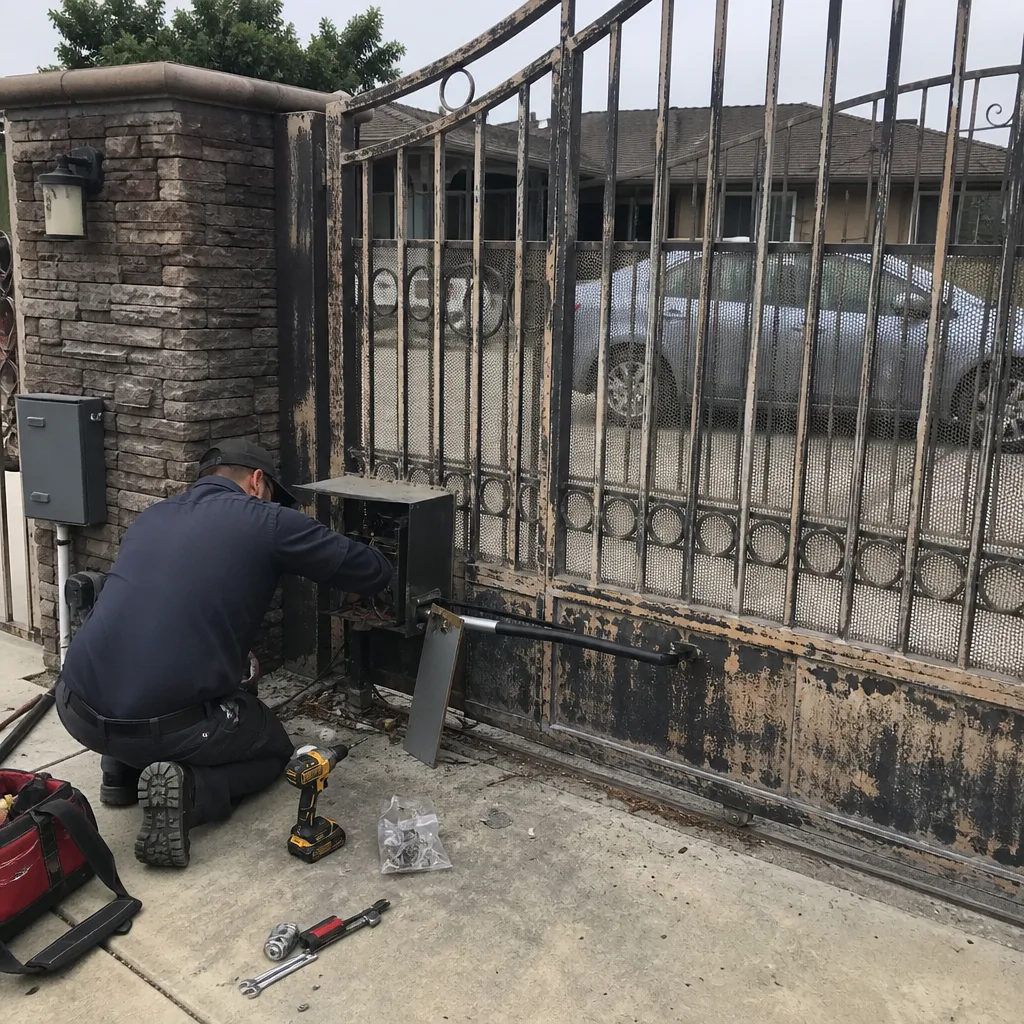 Before
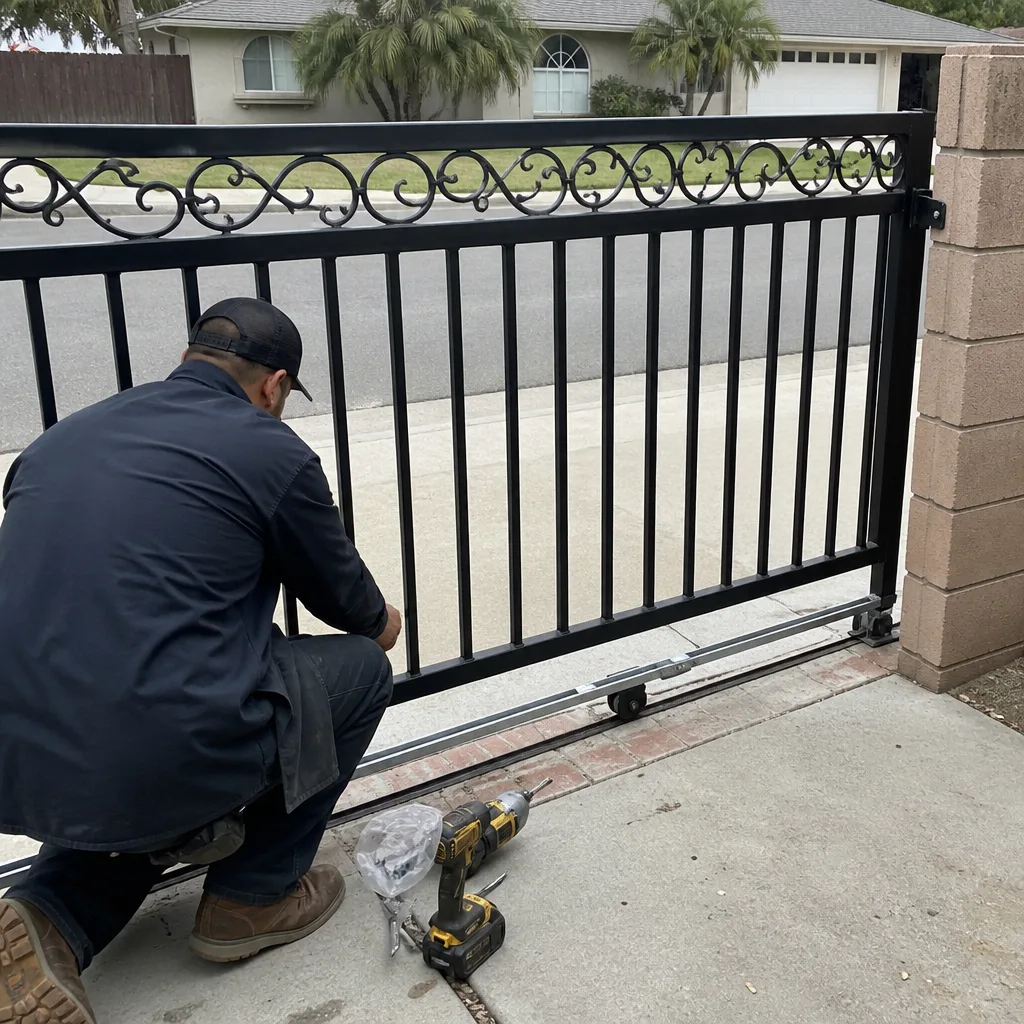 After
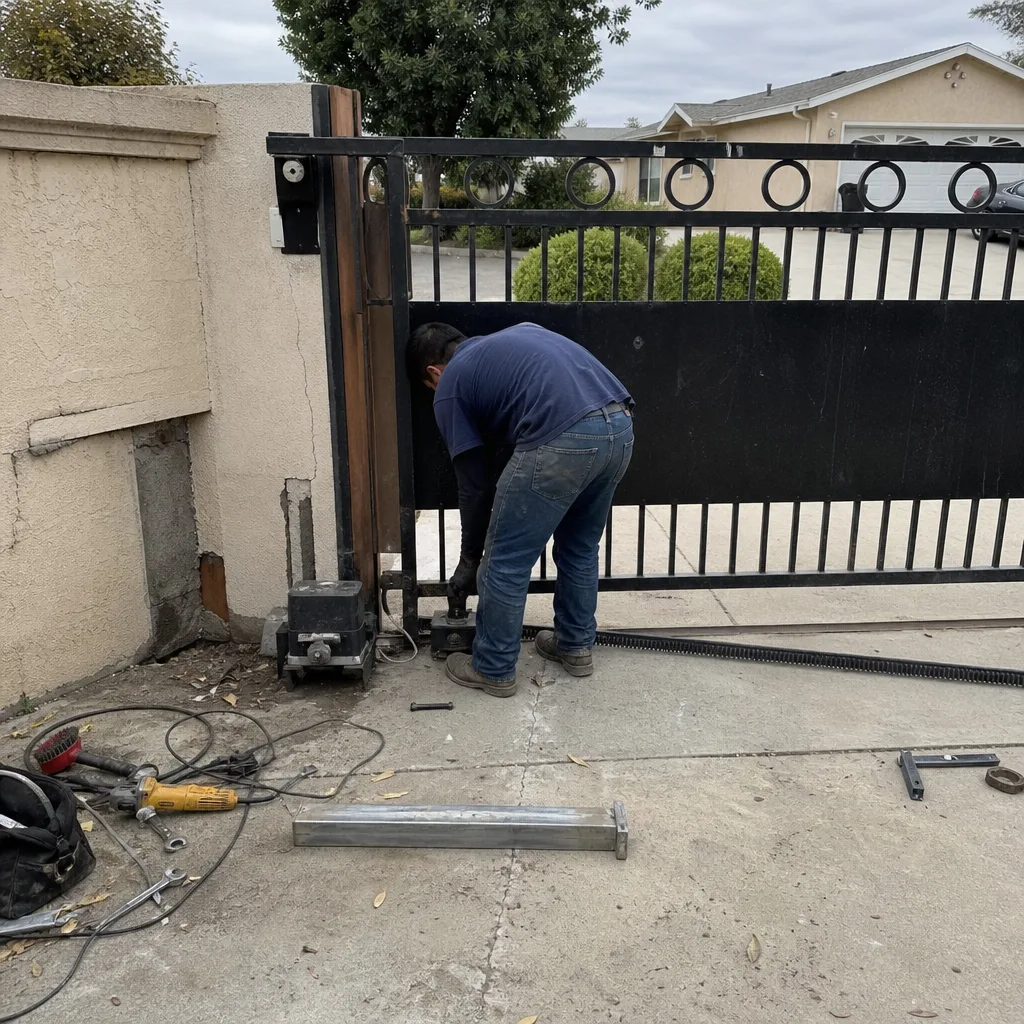 Before
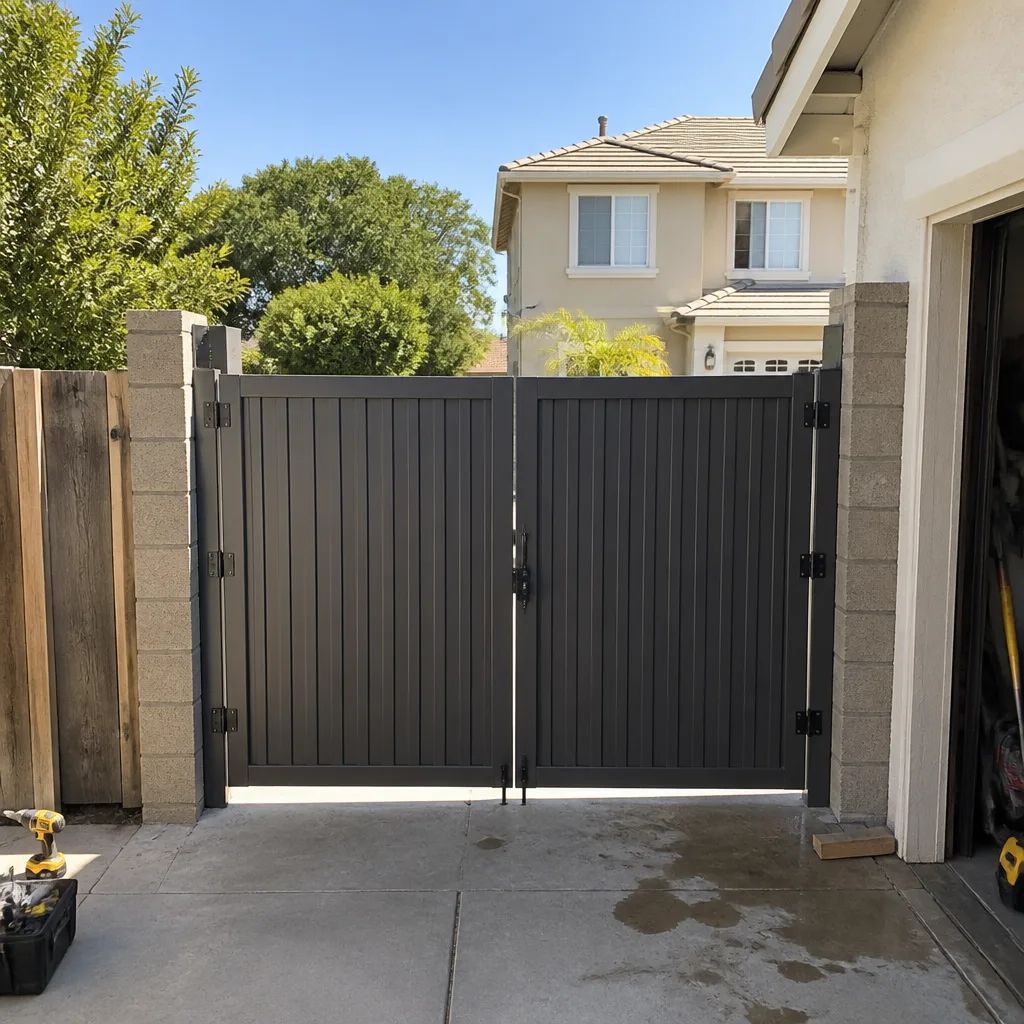 After
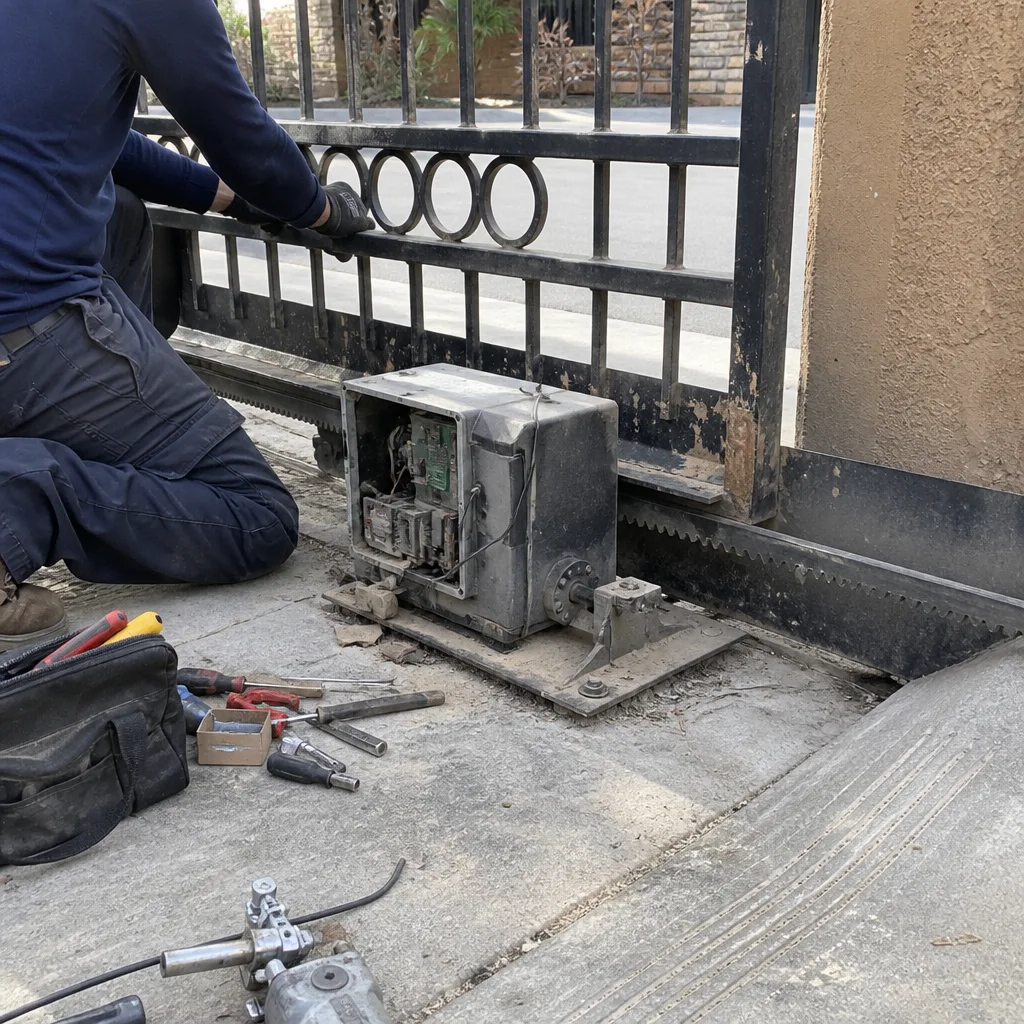 Before
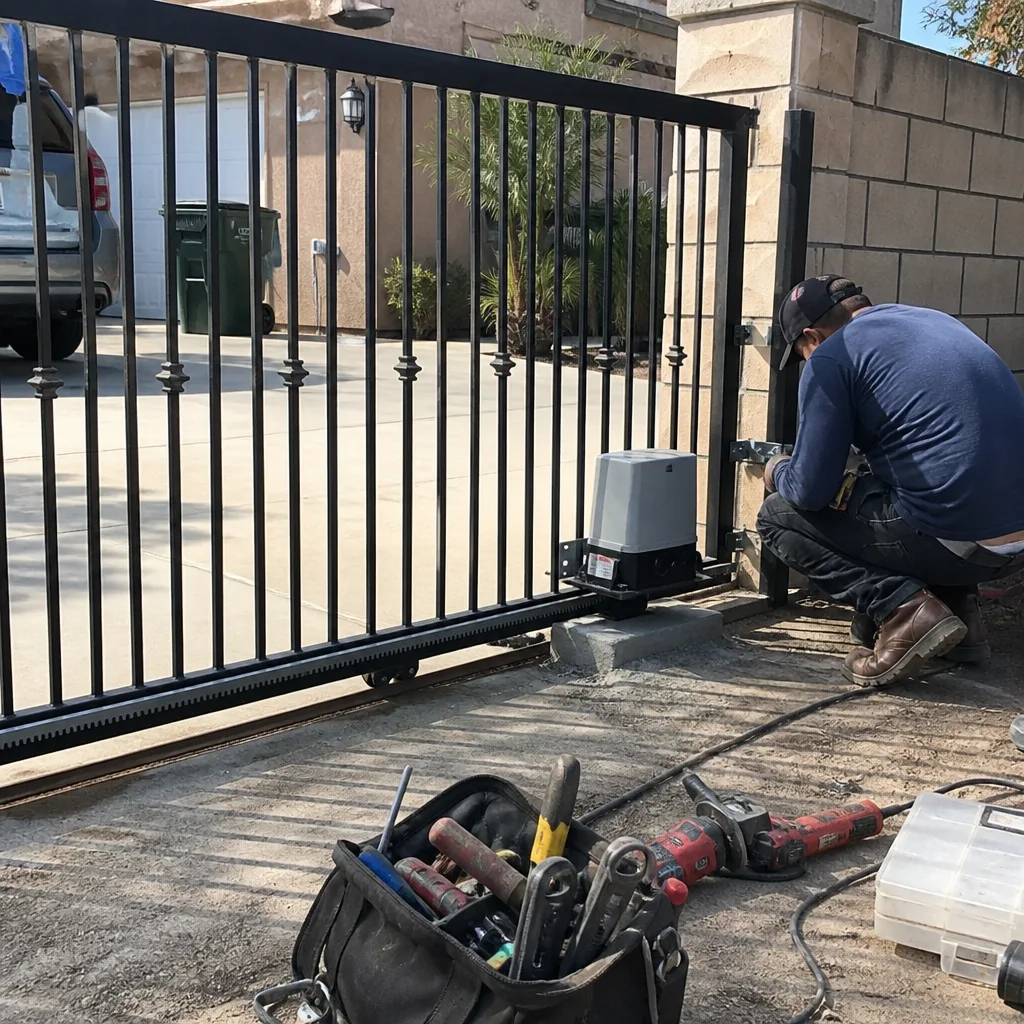 After