
Last updated October 30, 2026
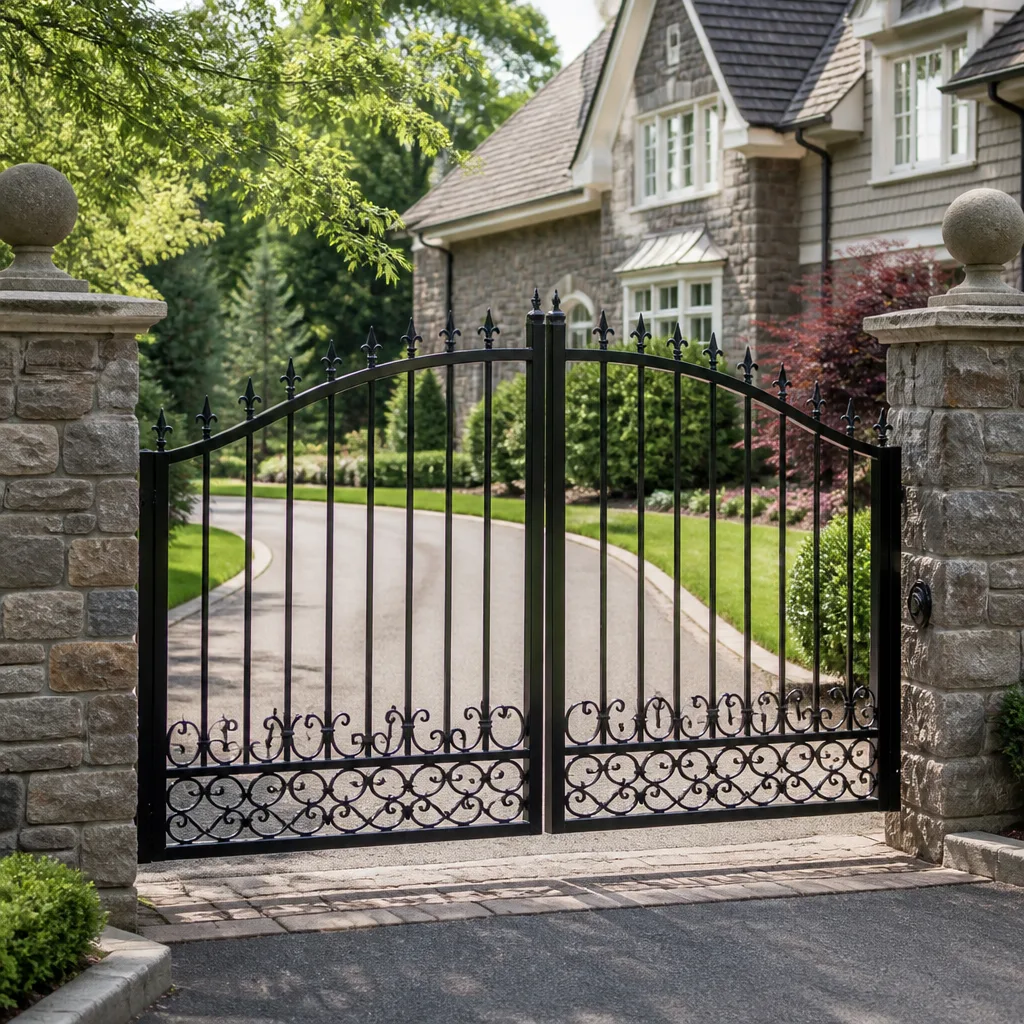 Wrought iron
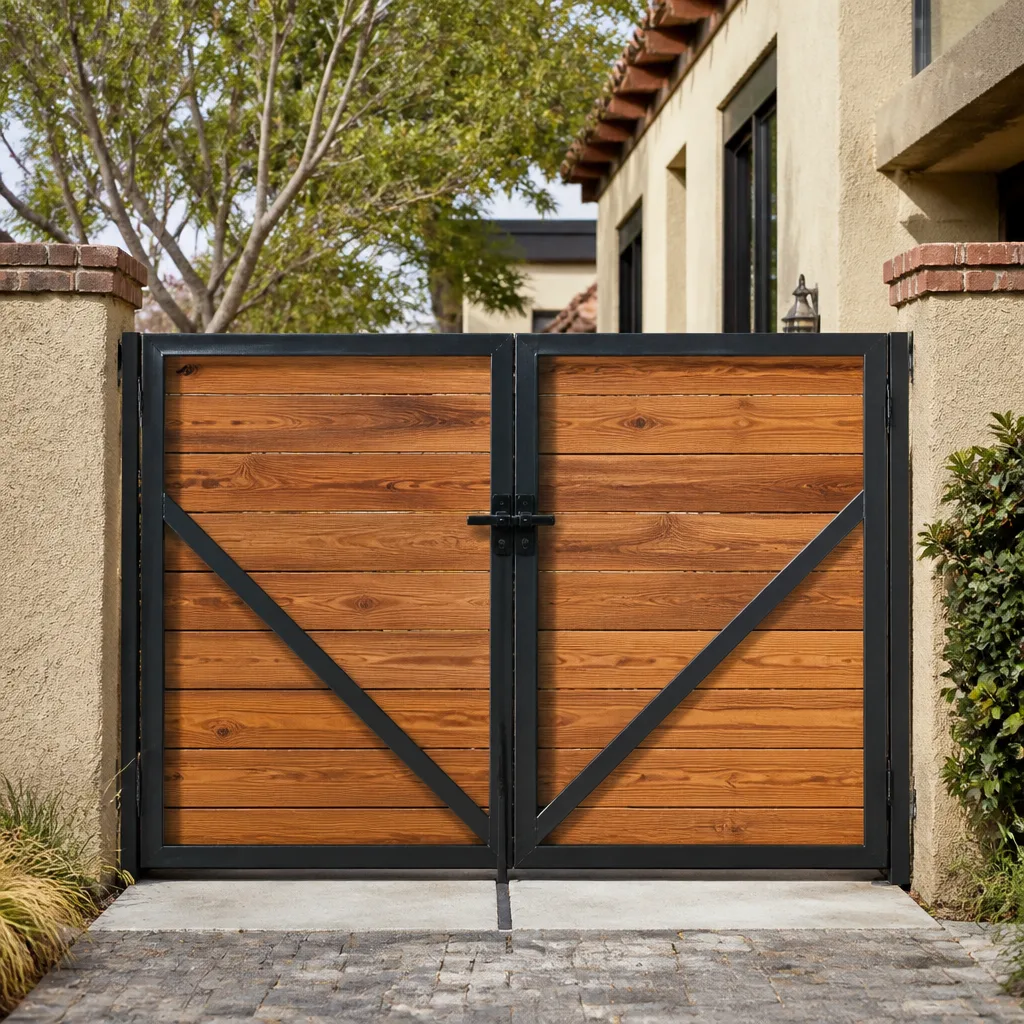 Wood & steel frame
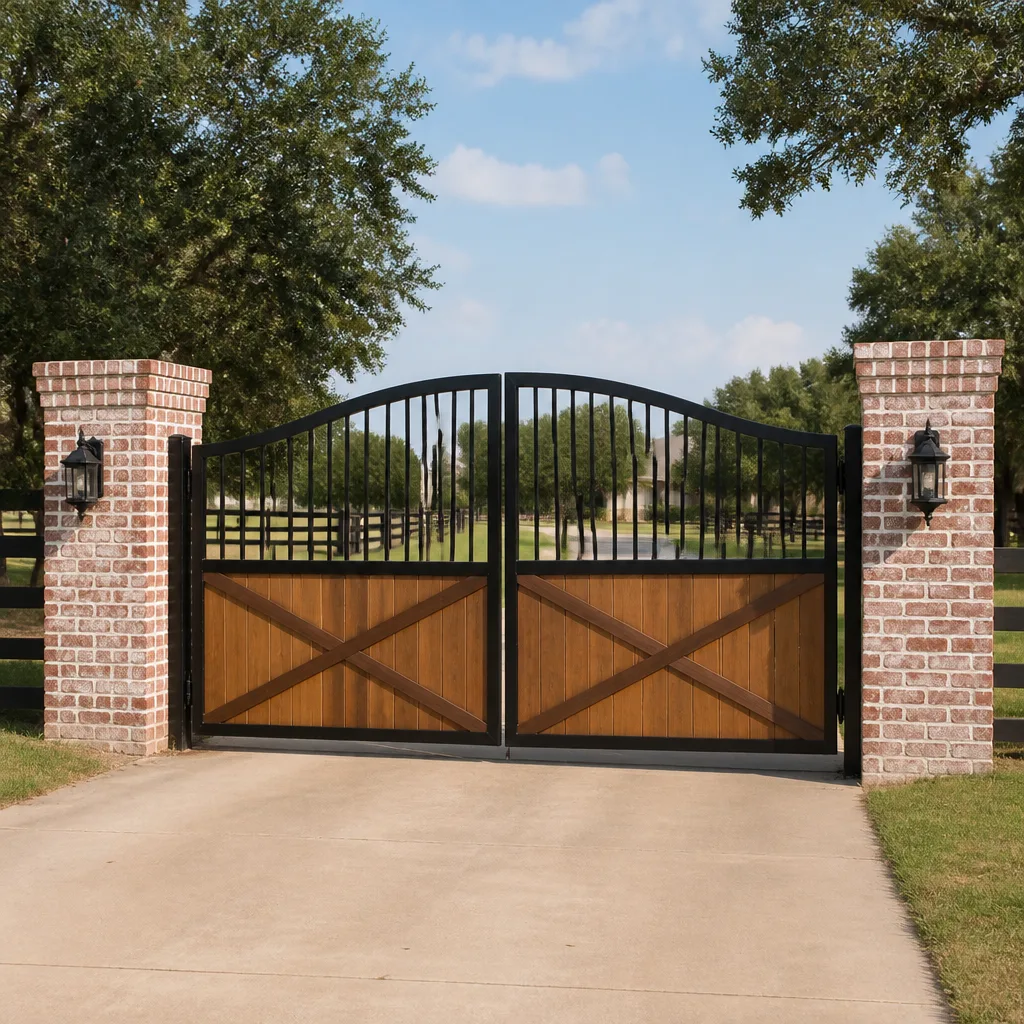 Farm & ranch
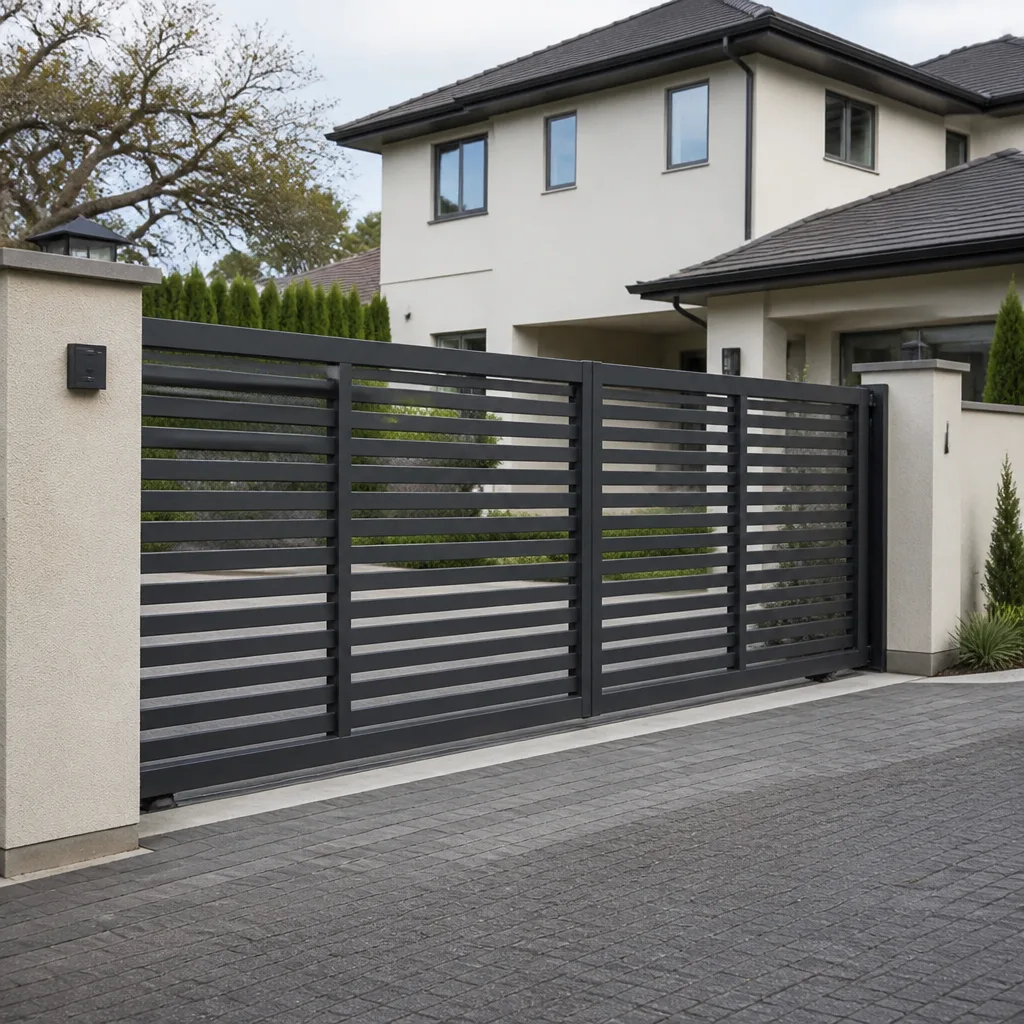 Sliding driveway gates
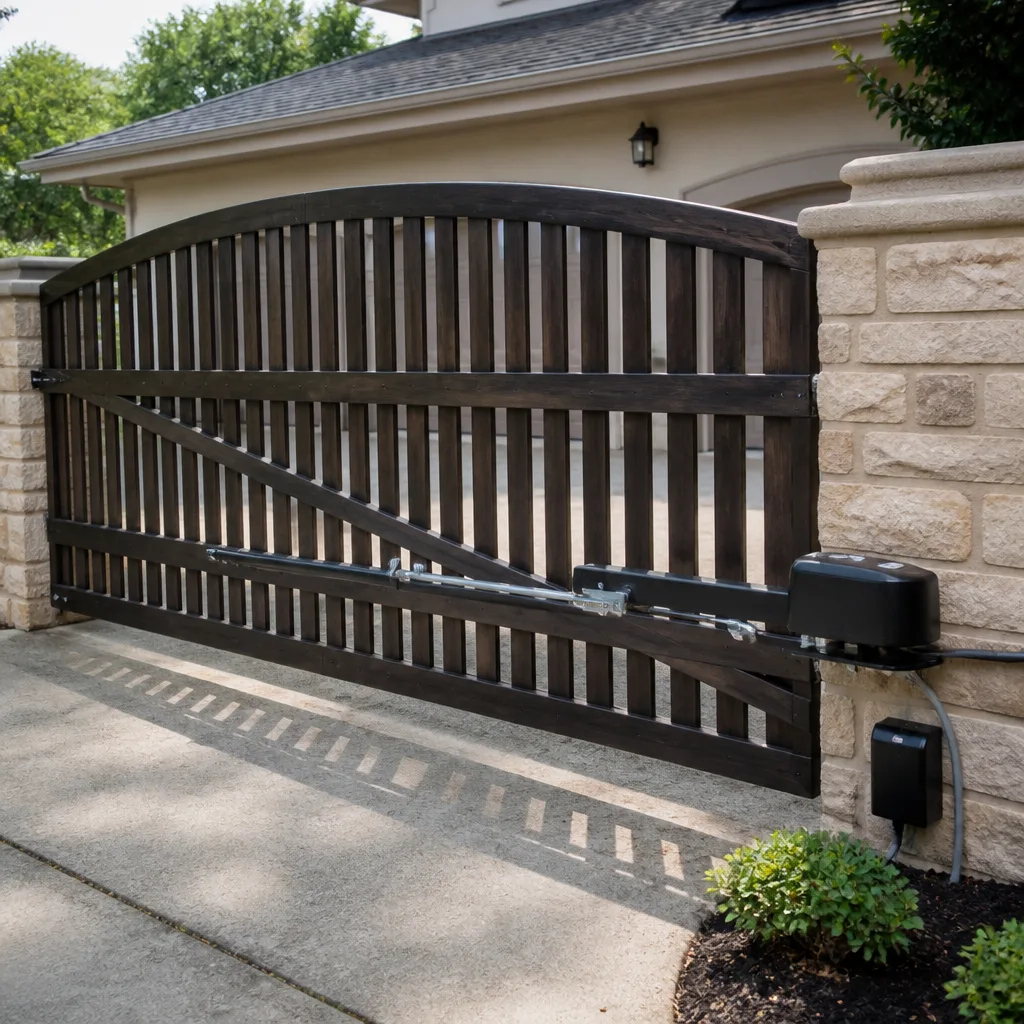 LiftMaster operators
Free on-site gate assessment - hinges, posts, and your LiftMaster or Nice gate operator checked before anything is quoted
The assessment is free and the quote is the invoice.
Get your free estimateGate Repair Cost Breakdown: The Chino Homeowner’s Reference for 2026
Here’s a number that surprises most Chino homeowners: roughly 40% of the gate repair invoices we review from other companies include at least one part that was replaced unnecessarily. The technician swapped something visible, the gate worked for a week, and then the real problem resurfaced. That’s not a conspiracy. It’s what happens when someone treats a Viking operator like a generic motor and doesn’t know the control board’s failure pattern. This Gate Repair guide gives you the actual line-item costs for the eight most common gate repairs in the Chino market, explains why brand matters more than most people realize, and shows you how to spot a quote that’s about to cost you twice. By the end, you’ll know exactly what a fair price looks like before you pick up the phone.
Styles & brands we work with
Quick Answer
Gate repair in Chino typically costs between $150 and $800 for most common fixes in 2026, with parts representing 30-50% of the total. Entry-level repairs like photo-eye realignment or remote reprogramming run $95-$180, mid-range repairs like hinge replacement or limit switch adjustment run $200-$450, and control board or motor replacements on higher-end brands like FAAC or DoorKing can exceed $900. Diagnostic fees add $65-$125 if you don’t proceed with the repair, and after-hours emergency calls carry a $75-$150 premium over scheduled service.
Table of Contents
- What Common Gate Repairs Cost in Chino
- Parts vs. Labor: Where Your Money Actually Goes
- Why the Brand on Your Operator Changes the Price
- Diagnostic Fees: When They’re Fair and When They’re a Red Flag
- Emergency vs. Scheduled Repair: What the Premium Buys
- Repair vs. Replace: The Cost Crossover Point
- What You Can Check Yourself (and What You Shouldn’t)
- Common Mistakes to Avoid
- When to Call a Professional
- Frequently Asked Questions
- The Bottom Line
What Common Gate Repairs Cost in Chino
Here’s the line-item pricing we see consistently across Chino, the Preserve, and the neighborhoods off Euclid and Schaefer. These are out-the-door ranges including parts and labor for a scheduled, non-emergency visit.
- Photo-eye sensor realignment or cleaning: $85-$150. Usually a service call minimum. If the sensor itself is dead, add $60-$110 for the part.
- Remote control replacement or reprogramming: $45-$95 for a new transmitter, plus a service fee if you want us to handle programming on-site.
- Hinge or wheel replacement: $180-$400 depending on gate weight. A heavy steel driveway gate on a concrete post takes longer and costs more than a light pedestrian gate.
- Limit switch adjustment: $120-$220. This is the fix when the gate overtravels or stops short. Simple on Linear and Ghost Controls units, slightly fussier on older BFT models.
- Battery replacement for backup systems: $140-$300. Solar and backup battery setups in Chino take a beating from summer heat, which shortens lifespan noticeably.
- Control board replacement: $350-$900. The board is the brain, and this is where brand-specific knowledge matters most. More on that below.
- Gear or drive assembly replacement: $300-$650. Common on operators that are 8-12 years old. The grease dries out in Chino’s dry heat and the nylon gears strip.
- Full operator motor replacement: $600-$1,800. This is the high end, typically for commercial-grade FAAC or DoorKing units in HOA applications.
These ranges assume standard residential equipment. Commercial and HOA systems with loop detectors, keypads, and telephone entry systems add complexity, and the price adjusts accordingly.
Parts vs. Labor: Where Your Money Actually Goes
Most homeowners assume labor is the expensive part. It’s usually not. On a typical Chino gate repair, parts run 30-50% of the invoice. The rest is time: travel, diagnosis, the repair itself, and testing. A good technician spends as long testing after the fix as they do turning wrenches.
How a Typical $350 Repair Breaks Down
- Travel and dispatch: $45-$70. Includes getting the van to your property, unloading, and setup.
- Diagnosis: $40-$80. The time spent identifying the actual fault, which on electric gates means testing voltage, checking limit function, and reading error codes from the control board.
- Parts: $100-$175. The component being replaced, whether it’s a sensor, transmitter, hinge set, or board.
- Labor for the fix: $80-$120. Installation, wiring, adjustment, and cleanup.
- Testing and verification: $30-$50. Cycling the gate multiple times, checking safety edges, verifying obstruction detection works.
When a company quotes you $99 for a repair that typically runs $350, something is being skipped. Usually it’s the testing step, which is also the step that keeps the gate from failing again in a month.
Why the Brand on Your Operator Changes the Price
Not all gate openers are priced the same way, and Chino has a mix of everything because the housing stock spans from 1950s ranch homes to new builds in the Preserve. The brand on your operator affects repair cost in three specific ways: parts pricing, parts availability, and diagnostic complexity.
OEM vs. Aftermarket Parts
A control board for a Viking operator runs $250-$500 as an OEM part. An aftermarket board might cost $120, but the failure rate on aftermarket electronics is significantly higher, and the warranty is often 90 days versus 1-2 years on OEM. For a Mighty Mule or Ghost Controls residential unit, the spread between OEM and aftermarket is narrower because those brands have strong aftermarket support. For commercial-grade systems like FAAC, DoorKing, and BFT, we recommend OEM parts almost without exception. HOA gates cycle hundreds of times a day, and an aftermarket board failure means angry residents and a second service call.
Diagnostic Complexity by Brand
Linear and Mighty Mule control boards flash diagnostic codes that are widely documented, which makes them easier to troubleshoot correctly on the first visit. BFT and FAAC units run more sophisticated logic and store fault history, which requires a technician who knows how to pull and interpret that data. A generalist who doesn’t know FAAC error codes will guess. And in Chino, where summer temperatures routinely exceed 100 degrees, heat-related intermittent faults are common, which makes proper diagnostics even more important. We work on all nine major brands including BFT, Linear, Viking, and Ghost Controls, and the repair path is genuinely different for each.
Diagnostic Fees: When They’re Fair and When They’re a Red Flag
A diagnostic fee in Chino runs $65-$125. Most gate repair companies, including us, roll that fee into the repair cost if you approve the work. If you don’t, the fee covers the technician’s time and travel.
Here’s what many homeowners don’t consider: a company that advertises “free diagnostics, no service fee” is not doing you a favor. They’re building that cost into the repair quote, and they now have an incentive to find something to fix whether or not anything is actually broken. The technician arrives with a quota pressure, not a diagnostic mindset. A $65-$95 diagnostic fee aligns incentives correctly: the technician gets paid to find the truth, not to sell you a part.
What should a diagnostic visit include? A thorough one takes 30-60 minutes and covers: verifying power at the operator, testing the control board for error codes, checking limit function in both directions, testing safety edges and photo-eyes, inspecting hinges and wheels for physical wear, and cycling the gate through several full operations. If a technician spends 10 minutes and hands you a quote, you haven’t been diagnosed. You’ve been given an estimate with a guess attached.
Emergency vs. Scheduled Repair: What the Premium Buys
If your gate is stuck open in Chino, that’s a security problem. If it’s stuck closed and your car is trapped in the driveway, that’s a start-the-day-differently problem. Emergency gate repair in Chino carries a $75-$150 premium over scheduled service, and here’s what that money actually buys—plus how our Gate Repair Emergency Preparedness Guide for Chino Homes can help you plan ahead:
- Prioritized dispatch: An emergency call jumps ahead of the scheduled queue. We’re on site within hours, not days.
- After-hours availability: Nights, weekends, and holidays. The premium covers overtime labor and the reality of running an on-call schedule.
- Get-it-open-or-closed service: The first priority in an emergency is securing the property or restoring access. Full repair may follow if parts are on the truck, but the emergency fee guarantees the gate is no longer a problem before the technician leaves.
One honest note: if it’s Saturday evening and your gate has been making a grinding noise for three weeks, that’s not an emergency that needs a premium-priced visit. But if the gate won’t open and you’re trapped, or won’t close and you’re exposed, the premium is what makes a same-day response possible. Our Gate Repair in Chino service handles both scheduled and emergency calls with the same diagnosis-first approach.
Repair vs. Replace: The Cost Crossover Point
Every gate operator has a lifespan, and in Chino that lifespan runs 10-14 years for well-maintained residential units and 7-10 years for heavily cycled commercial ones—see our Gate Repair Maintenance Checklist for Chino Homeowners for how to maximize yours. The dry heat is hard on electronics, and the Santa Ana winds put extra strain on motors working against resistance.
Here’s the crossover rule we use, and you can use it too:
- If the repair quote is under 40% of a new operator’s installed cost and the unit is under 8 years old, repair it. You’ll get reasonable remaining life.
- If the repair quote is 40-60% of replacement cost, it’s a judgment call. Consider the unit’s age, its repair history, and whether you plan to stay in the home. If it’s had two repairs in 18 months, the pattern is telling you something.
- If the repair quote exceeds 60% of new equipment cost, replace the operator. Paying $700 to fix an 11-year-old opener when a new one is $1,100 installed is bad math, even if the individual components are still available.
For a typical Chino home with a single driveway gate, a new residential operator fully installed runs roughly $1,200-$2,200 depending on brand and gate weight. A new gate plus operator runs $3,500-$8,000. If you’re unsure which side of the line you’re on, our Gate Installation in Chino page covers what a full replacement involves, and our Electric Gate Repair in Chino service can assess your current system before you commit to anything.
What You Can Check Yourself (and What You Shouldn’t)
Gate systems contain high-tension springs, heavy moving steel, and line-voltage electrical connections. If you’re not experienced with these systems, the safe path is to observe and report, not to wrench.
Safe to check yourself:
- Photo-eye alignment: Are the sensors pointed at each other? Is one covered in dust or spider webs from the Chino wind? Cleaning a dirty lens with a soft cloth solves a surprising number of “gate won’t close” problems.
- Obstructions on the track: Rocks, branches, and debris from desert landscaping get lodged in the track channel and trip the obstruction sensor.
- Remote batteries: A weak remote battery causes intermittent operation that people mistake for a failing operator. Change the battery before calling, and save yourself a service fee.
- Visible hinge wear: If the gate sags or scrapes the ground, note which side sags and how much. That’s useful information for the technician.
Do not attempt yourself:
- Anything involving the tension spring or torsion bar: These carry enough stored energy to cause severe injury. This is not a YouTube tutorial situation.
- Control board wiring: A wrong connection can fry the board and turn a $150 repair into a $600 replacement.
- Motor or gear disassembly: The capacitor in an opener motor retains a charge even when power is off. Touching the wrong terminal hurts.
Common Mistakes to Avoid
- Accepting a quote without a diagnostic visit. Any company that quotes a gate repair sight unseen is guessing. Either the price will balloon once they’re on site, or they’ll fix the symptom and not the cause. The whole reason quotes vary by hundreds of dollars for the same job is that diagnosis quality varies. A $150 photo-eye replacement on a gate with a failing control board means you’ll spend $400 on the board three weeks later, plus a second diagnostic fee.
- Choosing the cheapest quote by default. Gate repair pricing is not like buying a toaster. The lowest bid usually means aftermarket parts, skipped test cycles, or a technician who can’t identify your operator’s brand, let alone its failure patterns.
- Ignoring a gate that’s slow or noisy. A gate that opens slower than it used to is telling you the motor or drive is failing. Waiting turns a $300 gear replacement into an $800 motor replacement. In Chino’s summer heat, a struggling motor fails faster, not slower.
- Mixing and matching remote brands. Homeowners often buy a universal remote online and then call when it doesn’t pair. Not all universal remotes work with all operators, and some aftermarket transmitters cause intermittent issues with BFT and Viking receivers. Buy the transmitter matched to your operator.
- Lubricating hinges with the wrong product. Heavy grease attracts desert dust and turns into grinding paste. Use a dry silicone spray or a lithium-based lubricant designed for gate hardware, and wipe down the hinges in Chino’s dry months when dust is everywhere.
- Waiting until the gate fails completely to get service. Same logic as the slow gate: early intervention is cheaper. A squealing gear is a $300 repair today and an $800 replacement in four months.
When to Call a Professional
Call a professional when the gate won’t open or close reliably, when you hear grinding or clicking from the operator, when the gate reverses on its own, when the remote only works from short range, or when the keypad stops responding. These are not problems that self-correct, and the longer they run, the more expensive they get. If you’re in Chino and the gate is stuck in either position, that’s a call today, not next week. Lexington Gate Repair offers free estimates in Chino and our Lexington Gate Repair home page has our full service details. Call (866) 304-1321 and we’ll talk through what you’re seeing before we even schedule a visit.
Frequently Asked Questions
Most Chino gate repairs run $150-$800, with simple fixes like photo-eye cleaning around $95-$150, mid-range repairs like hinge replacement $200-$400, and control board or motor work $350-$1,800 depending on brand and system type. Your quoted price is agreed before any work starts, and diagnostic fees roll into the repair if you approve the work. Call (866) 304-1321 for a free estimate on your specific gate.
For emergency situations like a gate stuck open or closed, yes, same-day service is available in Chino. Emergency dispatch carries a $75-$150 premium over scheduled service, and the priority is securing or opening the property immediately, with the full repair following if parts are on hand. For non-emergency repairs, we typically schedule within 24-48 hours. Call (866) 304-1321 and describe the problem, we’ll tell you if it’s a same-day situation.
The variation comes down to three factors: whether the quote is based on actual diagnosis or guesswork, whether parts are OEM or aftermarket, and whether the technician knows your operator’s brand. A technician who knows a Linear control board’s specific failure pattern will quote differently than someone treating every opener as interchangeable. The cheapest quote often reflects an undiagnosed guess, not a better deal. Your written quote should reflect a real diagnostic visit.
The crossover rule is simple: if the repair quote is under 40% of a new operator’s installed cost and the unit is under 8 years old, repair it. If the repair exceeds 60% of replacement cost, replace the operator. Between 40-60%, consider the unit’s age and repair history. For most Chino homes, a new residential operator installed runs $1,200-$2,200, so a $700+ repair on an older unit usually means replacement makes more sense.
We service nine major gate opener brands: LiftMaster, FAAC, BFT, Linear, Viking, Ghost Controls, DoorKing, Elite, and Mighty Mule. That covers residential and commercial systems, from basic swing gates to HOA access control with loop detectors and keypads. Brand-specific service means we can interpret error codes correctly and source the right parts the first time, instead of misdiagnosing a system we’re not familiar with.
A new residential gate operator installed in Chino typically runs $1,200-$2,200 for the opener itself, and $3,500-$8,000 if you need both a new gate and operator. The two biggest variables are gate weight and the operator brand, with commercial-grade FAAC and DoorKing systems running higher. We provide a free measure and written quote before any work begins, so you’ll know the exact number before you commit. Our Gate Installation in Chino page covers what to expect.
The Bottom Line
Gate repair in Chino costs $150-$800 for most jobs in 2026, and the biggest driver of whether you pay $150 or $800 for the same symptom is the quality of the diagnosis, not the part itself. Know your operator’s brand, get a real diagnostic visit before accepting any quote, and use the 40-60% crossover rule when deciding between repair and replacement. For more guides & resources, visit our blog. The most expensive gate repair is the one that fixes the wrong thing. If your gate is acting up, call (866) 304-1321 for a free estimate, and we’ll tell you honestly whether it’s a repair or a replacement situation before any work is scheduled.
Written by the team at Lexington Gate Repair, serving Chino since 2011.
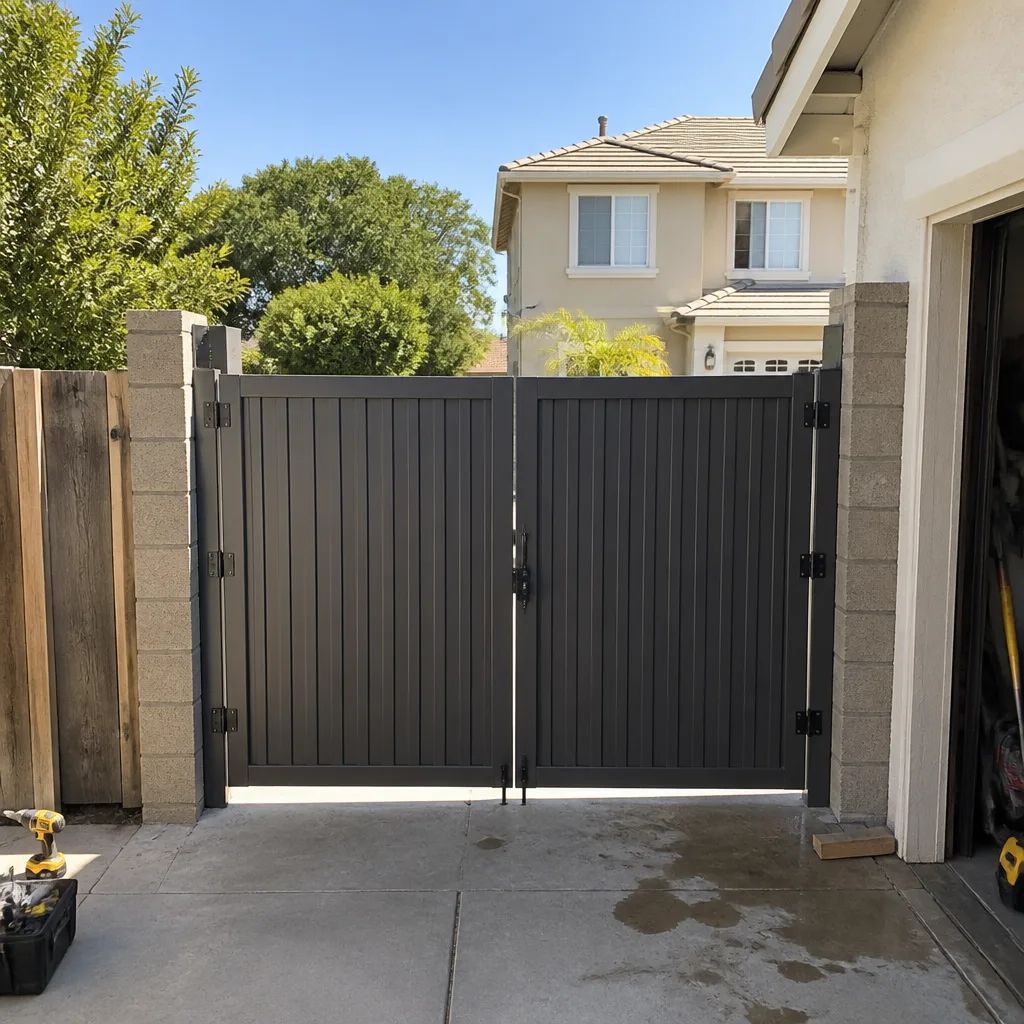
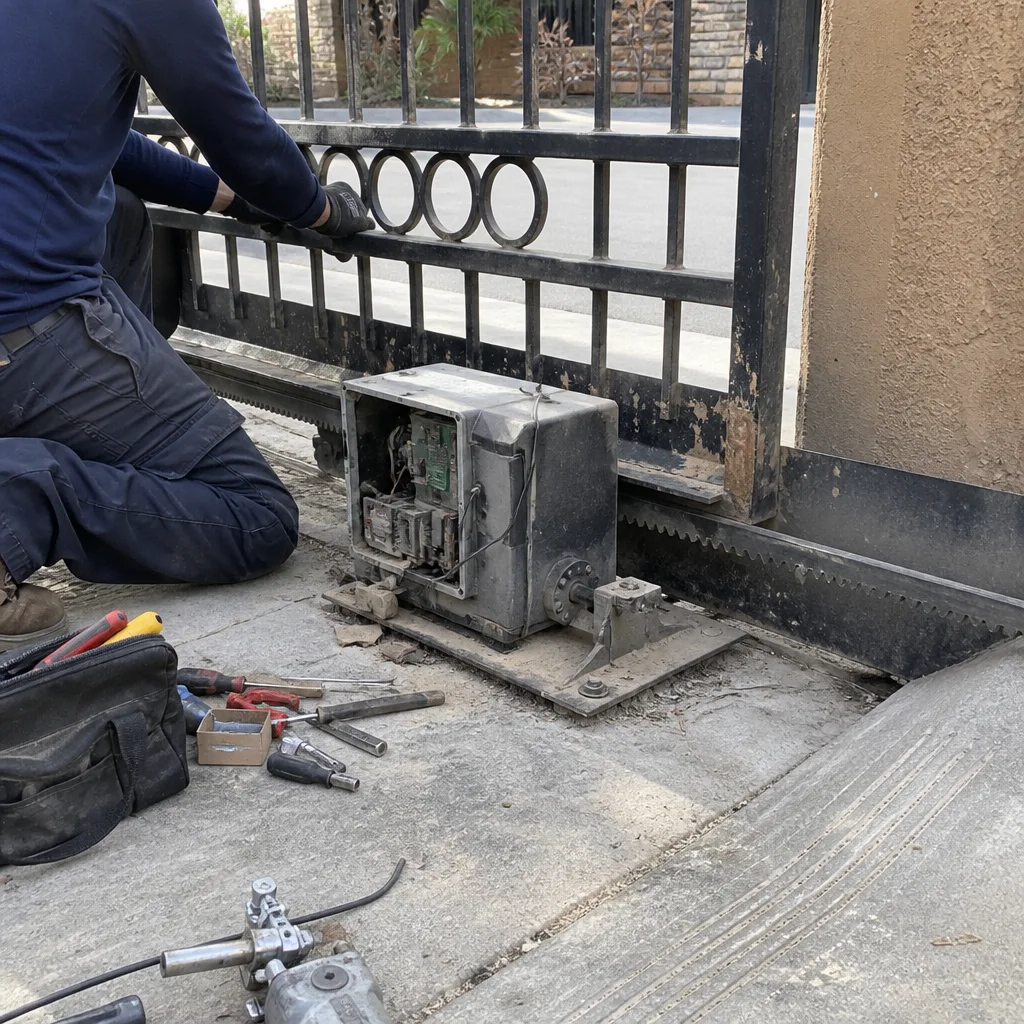
See the difference
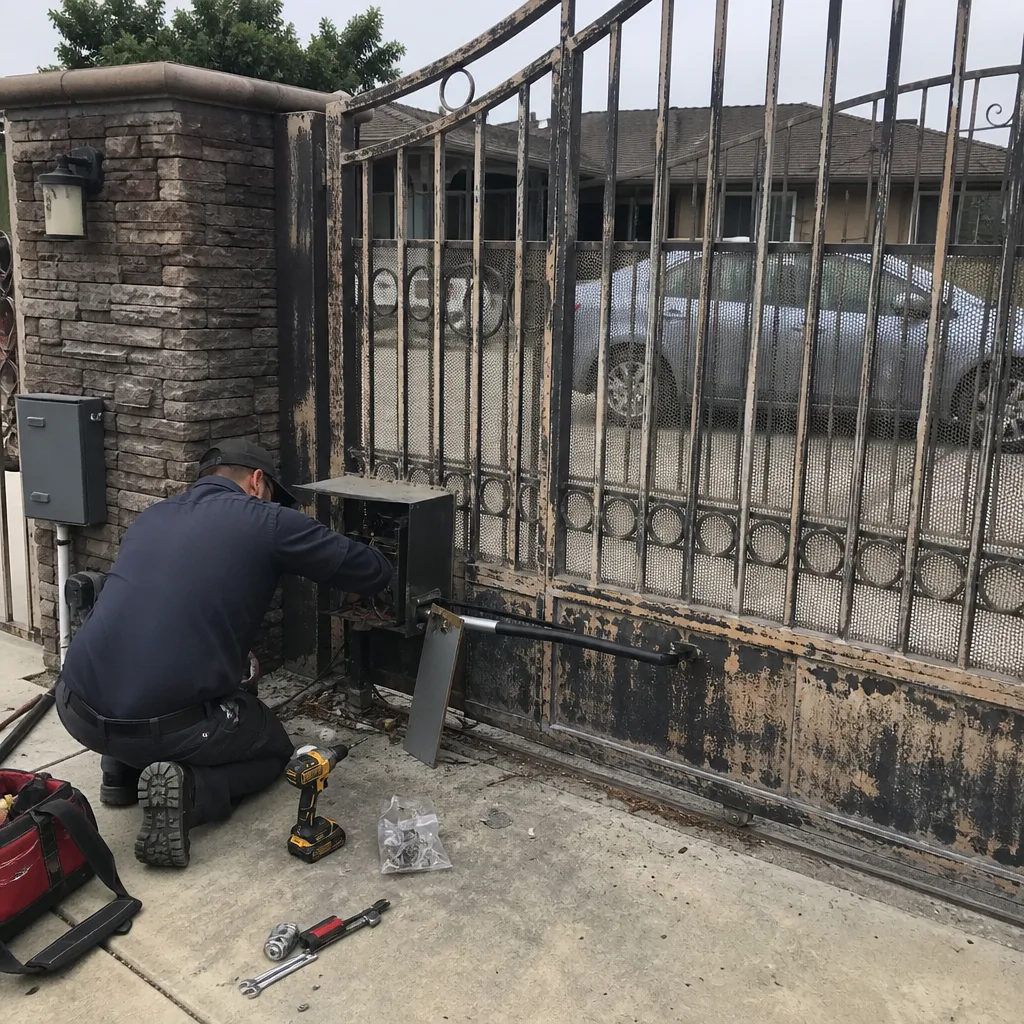 Before
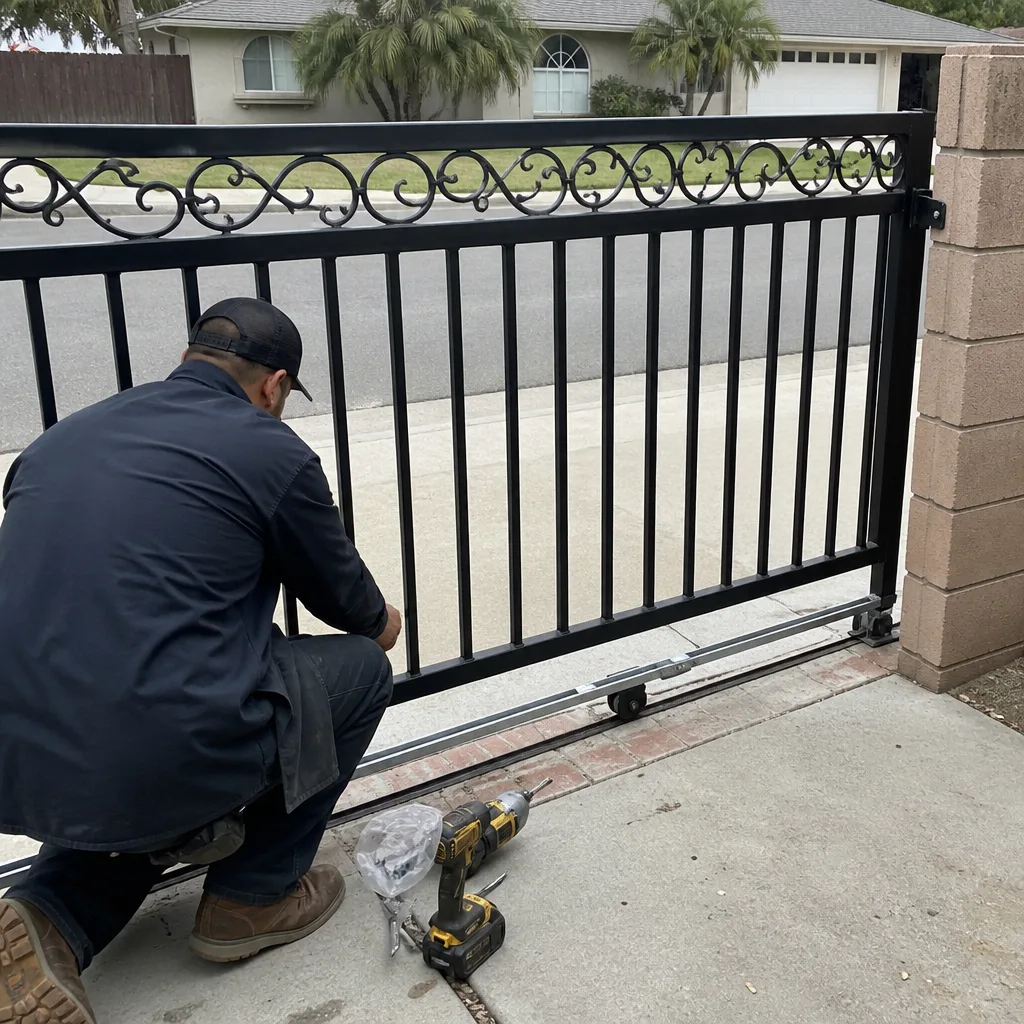 After
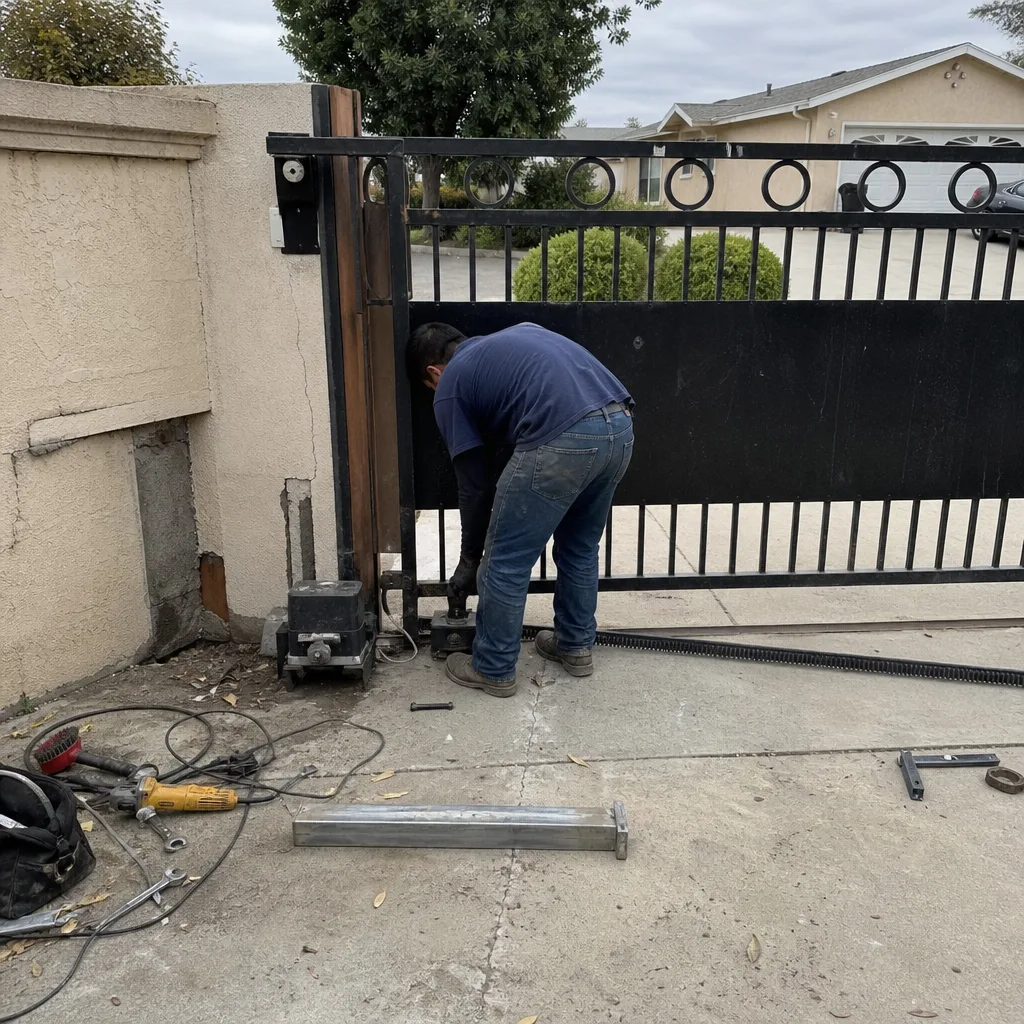 Before
 After
 Before
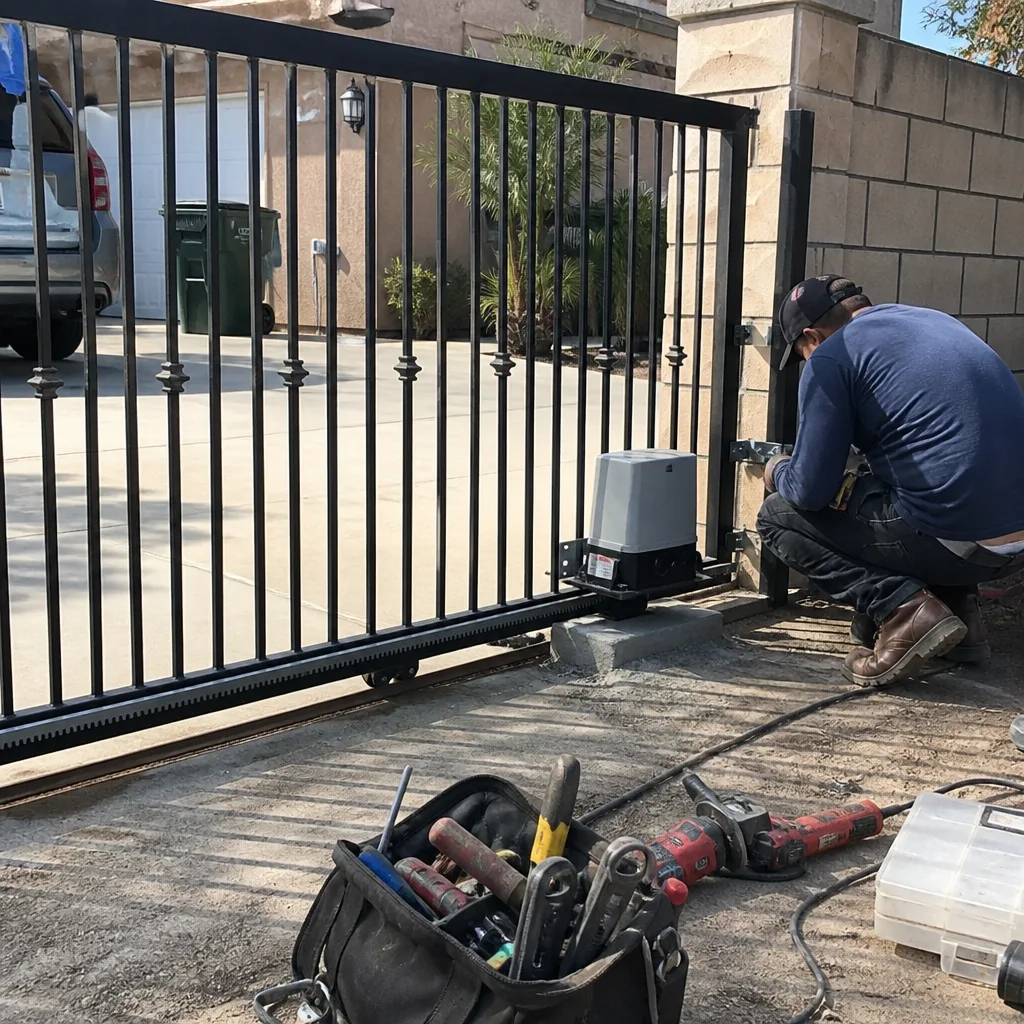 After