
Last updated October 30, 2026
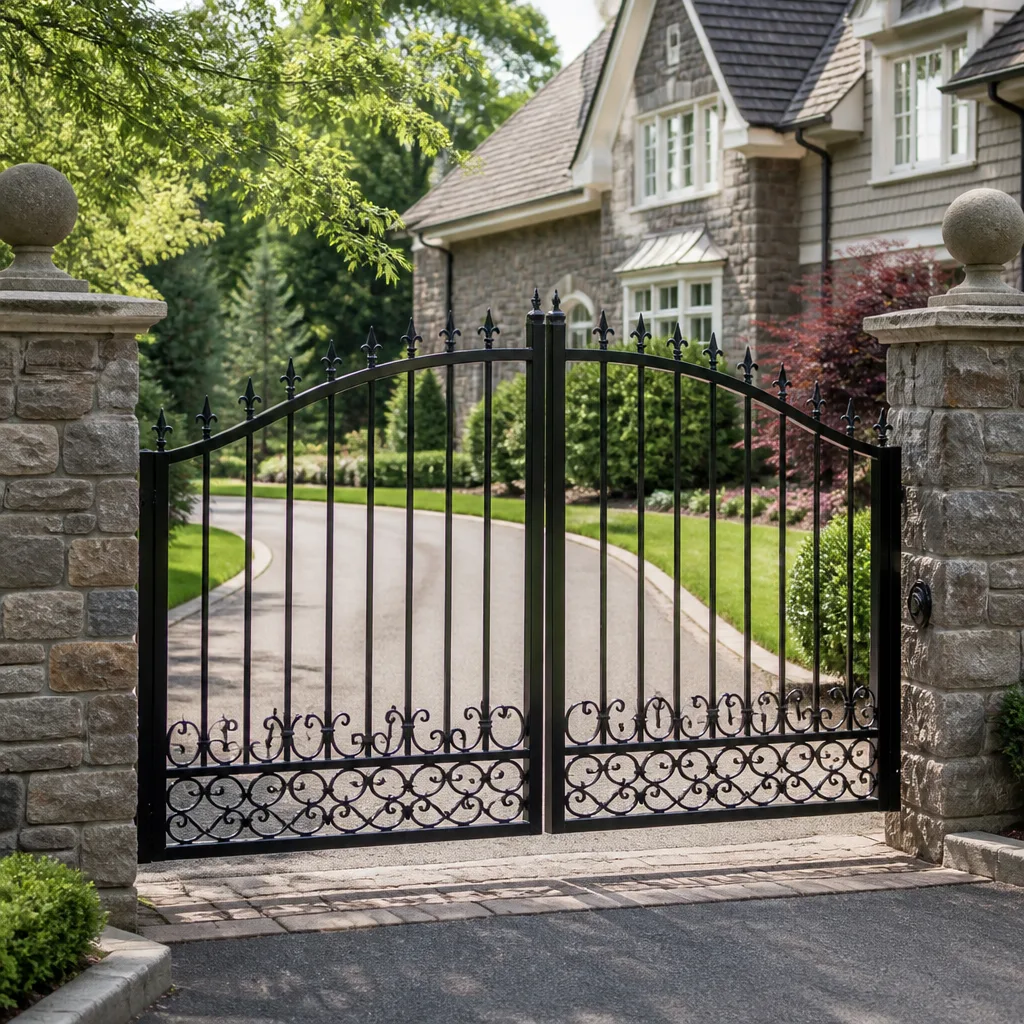 Wrought iron
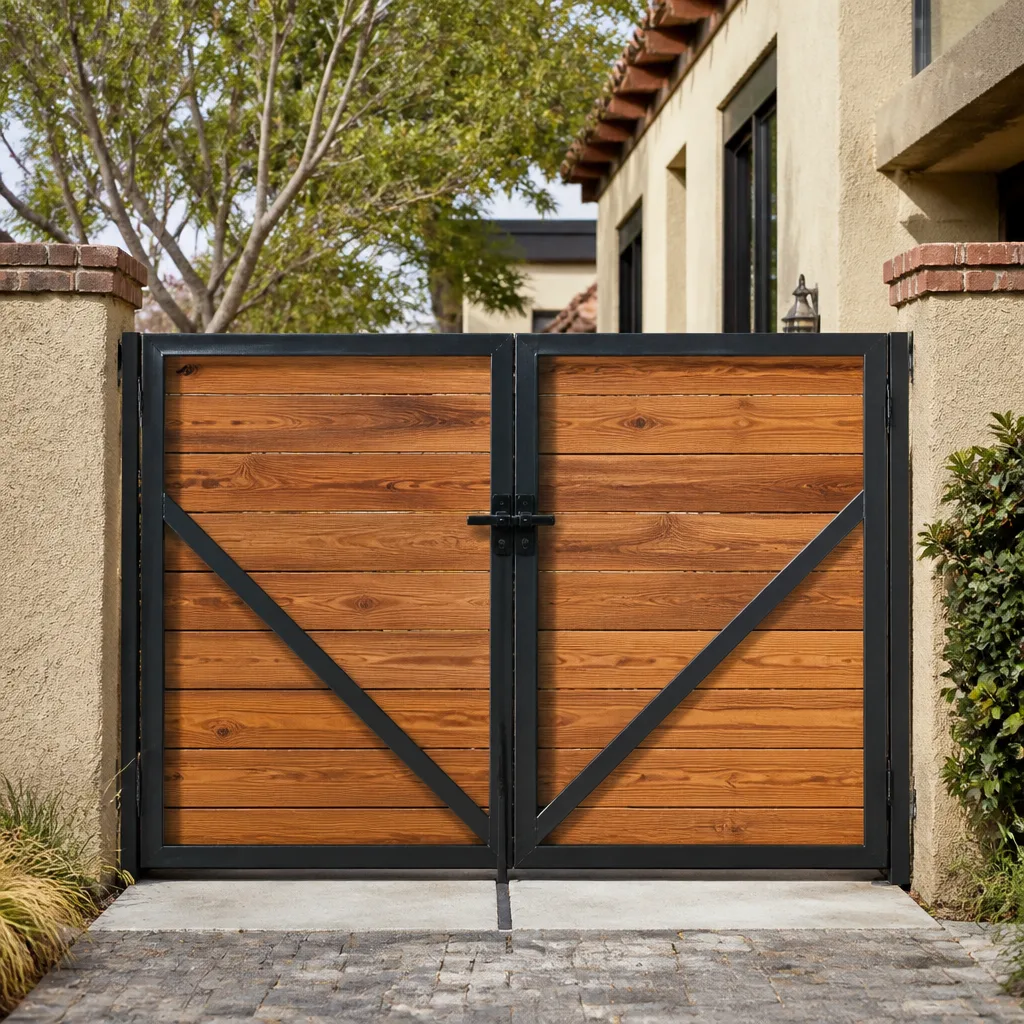 Wood & steel frame
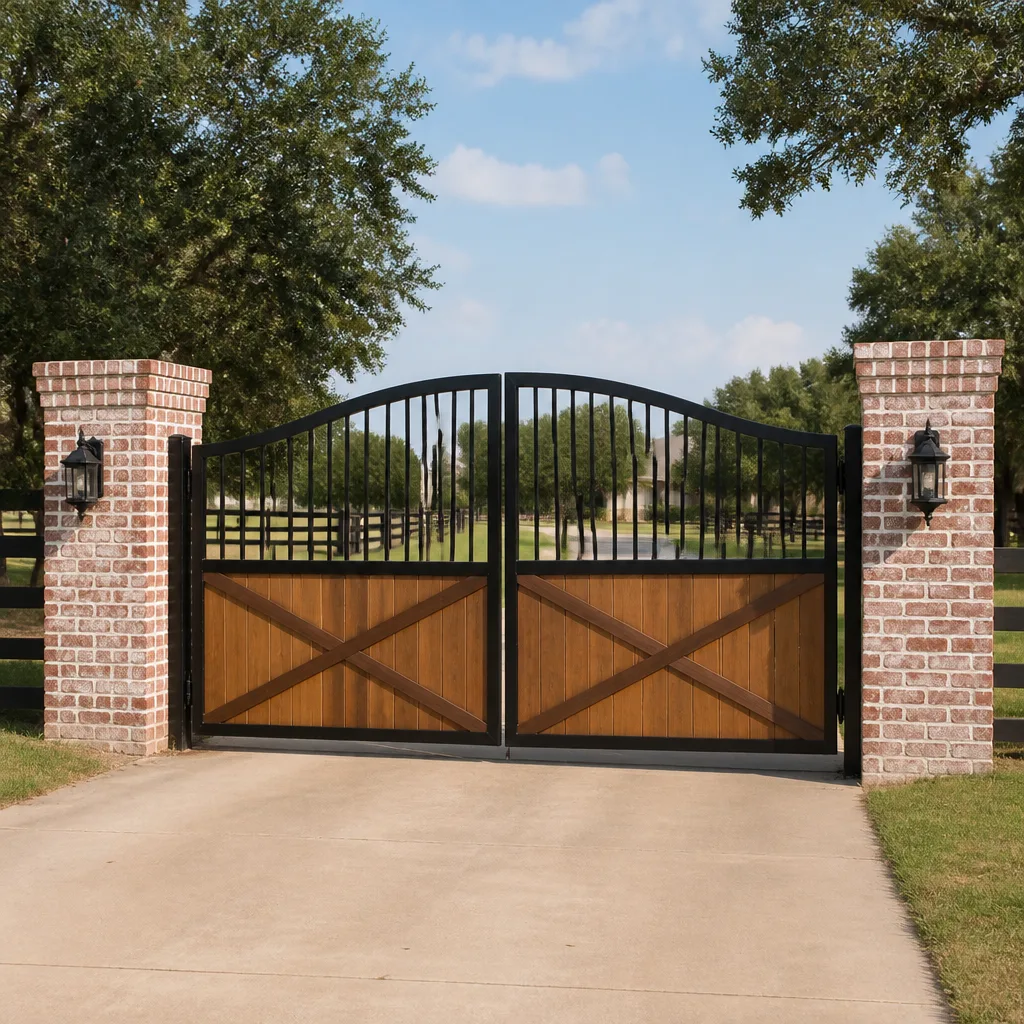 Farm & ranch
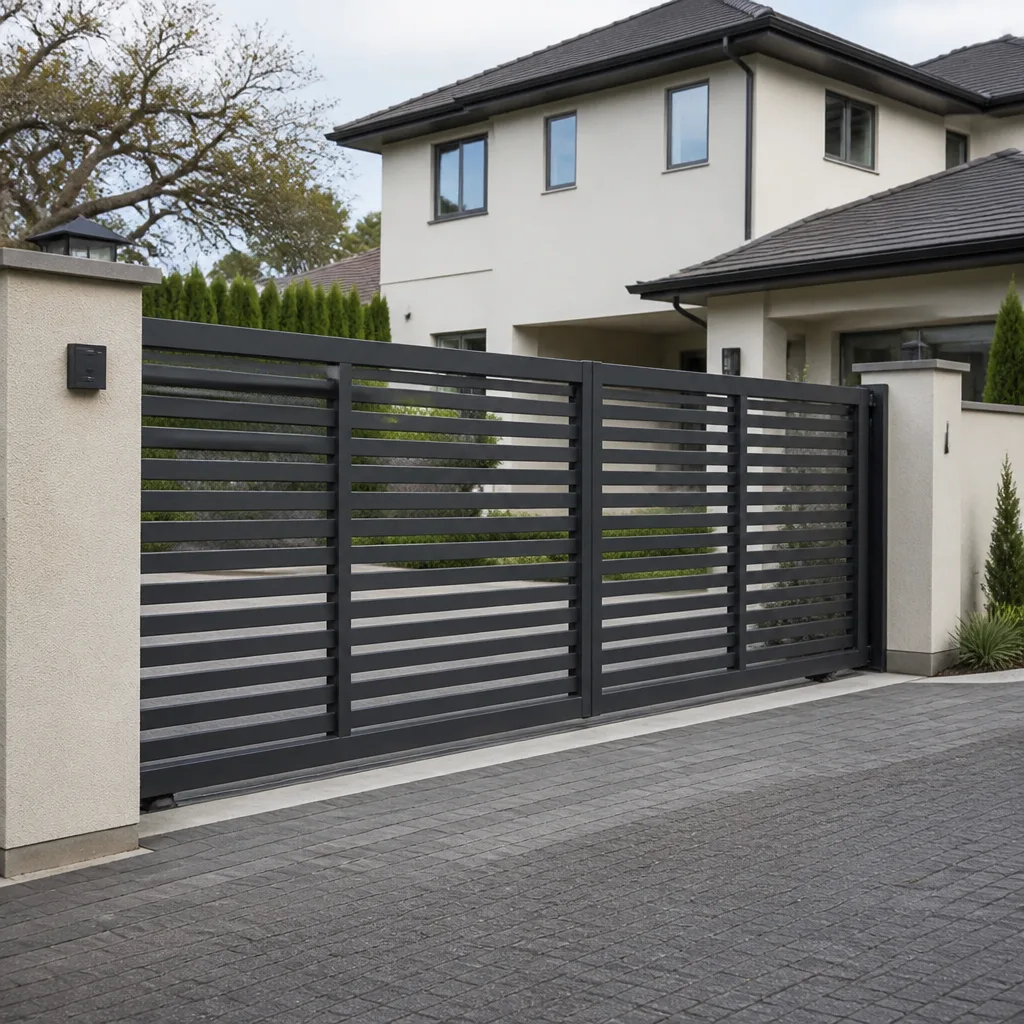 Sliding driveway gates
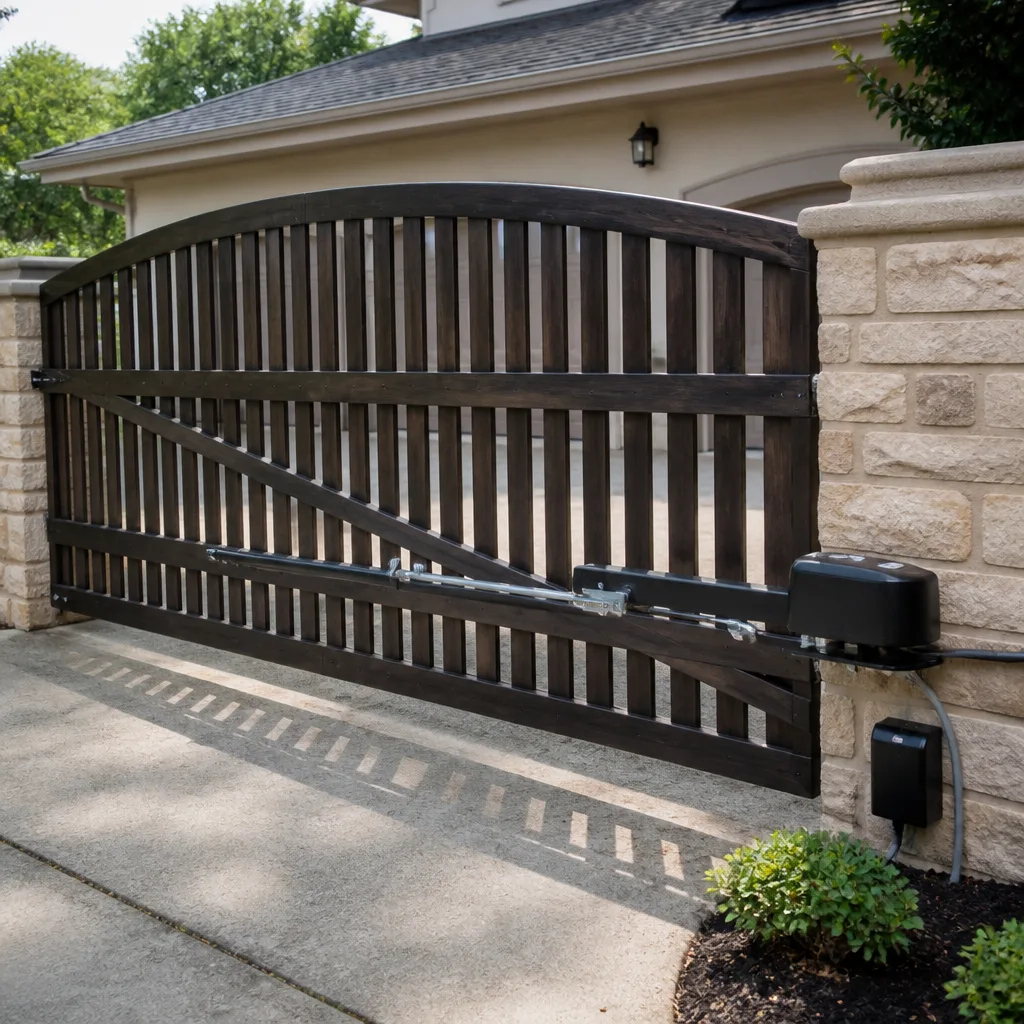 LiftMaster operators
Free on-site gate assessment - hinges, posts, and your LiftMaster or Nice gate operator checked before anything is quoted
The assessment is free and the quote is the invoice.
Get your free estimateGate Repair Permits, Codes & Inspections in CA: What You Need to Know
A call about our Gate Repair services in Chino last spring turned into a closing-day nightmare for one homeowner. The $400 motor swap they’d done two years earlier was never permitted. The buyer’s inspector flagged it, the lender froze the file, and the sale stalled for 60 days while the seller scrambled to document the work retroactively. The delay cost more than the original repair ten times over. Most gate repairs never trigger a permit. But the line between a simple fix and a code-triggering alteration is thinner than most homeowners realize, and when you cross it, the consequences show up at the worst possible moment: during escrow, after an accident, or when an insurance adjuster starts asking questions. This guide draws that line clearly so you know exactly where you stand.
Styles & brands we work with
Quick Answer
Most gate repairs in California do not require a permit. Replacing a gate opener, swapping a hinge, fixing a sensor, or rewiring within an existing automatic gate system falls under routine maintenance and repair under the California Building Code. You need a permit when the work alters the gate’s structural or electrical scope: adding or relocating a motor, installing a new electrical circuit or subpanel, changing gate dimensions, or installing a new gate structure entirely. UL 325 compliance is required on every automatic operator regardless of permit status.
Table of Contents
- Repair vs. Alteration: The Legal Line That Matters
- When a Permit Is Actually Required in California
- UL 325 Compliance: What It Means for Liability
- Chino vs. Chino Hills: Two Different Permit Jurisdictions
- HOA Architectural Approval: The Parallel Requirement
- Retroactive Permitting: How to Fix a Prior Unpermitted Repair
- What Permits Cost and How Long They Take
- Common Mistakes to Avoid
- When to Call a Professional
- Frequently Asked Questions
- The Bottom Line
Repair vs. Alteration: The Legal Line That Matters
California Building Code (CBC) Section 105.2 exempts ordinary repairs from permit requirements. The definition is deliberately narrow: “Repair” means restoring something to its original working condition without changing its design, size, or electrical load. “Alteration” means changing any of those things. Replace a broken Mighty Mule board with an identical model and you’ve performed a repair. Replace it with a more powerful motor that draws more amperage and you’ve performed an alteration, because the electrical load has changed.
The test we apply on every electric gate repair in Chino comes down to three questions:
- Does the work change the gate’s physical dimensions? Widening a driveway gate, adding a pedestrian pass-through, or swapping a sliding leaf for a swing leaf changes structure. That’s a permit.
- Does the work change the electrical footprint? New circuit, new subpanel, relocated operator, or a higher-draw motor changes the load calculation. That’s a permit.
- Does the work introduce new components that didn’t exist before? Adding a loop detector where none existed, adding a keypad, or adding photo eyes to a legacy system that never had them counts as an alteration in many jurisdictions.
If the answer to all three is no, you’re in repair territory. If the answer to any one is yes, check with the gate installation and permitting desk before you touch the first wire.
When a Permit Is Actually Required in California
The California Building Code doesn’t maintain a separate chapter for driveway gates. Gate work falls under the same structural and electrical provisions that govern any other improvement. Here is the specific, practical list of gate scenarios that trigger a permit in most California cities, including the Inland Empire:
- New gate installation. Any new gate structure mounted on posts or footings requires a building permit. The footings, post depth, and gate mass all get reviewed for wind load and soil bearing.
- New automatic operator installation. Adding an electric operator to a previously manual gate requires an electrical permit because a new circuit or branch wiring must be run. Cities want to verify the circuit’s ampacity and GFCI protection.
- Operator replacement that changes the electrical draw. Swapping a LiftMaster LA400 for a heavier FAAC 844 that draws more current on inrush is a load change. Some cities treat it as a permit event; some treat it as a like-for-like swap. Chino building officials have historically applied the “same or lesser load” standard, but we always call to confirm before a heavy-duty upgrade.
- Gate structural modification. Cutting down an existing gate, welding new stiles, changing the hinge geometry, or re-posting a fallen gate pier changes the structural design. Permit required.
- Adding or relocating the operator. Moving a gate motor from one side of the driveway to the other requires a new electrical connection point. That’s new wiring to a new location, which cities review as an electrical alteration.
- Pedestrian gate addition. Cutting a man gate into an existing driveway gate assembly is a structural modification to the gate leaf itself.
The rule of thumb that has kept Chino homeowners out of trouble for years: if you’re matching like-for-like, no permit. If you’re changing the what, the where, or the how much, call the building department and describe the scope. They’ll tell you in five minutes whether a permit is required, and the call is free.
UL 325 Compliance: What It Means for Liability
UL 325 is the safety standard for automatic gate operators in the United States. It is not a building code adopted by California cities; it is a product and installation standard enforced through tort liability and insurance. Every automatic gate operator installed or replaced in the state should carry a UL 325 listing, and the installation must follow the standard’s entrapment-safety provisions.
Here’s what the standard demands in practice:
- Entrapment protection on every automatic gate. That means photo eyes or contact edges (or both, depending on the gate type and travel speed) installed and tested to reverse or stop the gate before an object is pinned against it.
- Warning signage. UL 325 requires specific warning signage posted on both sides of any automatically operated gate. Many Chino properties we see are missing these signs because the original installer skipped them.
- Pressure sensitivity settings. The operator’s obstruction-sensing must be set correctly for the gate’s mass and travel length. A system that inrushes too aggressively can pull a child or pet under the gate.
- Primary and secondary entrapment protection. On a swing gate, you need both a primary (inherent) sensing method and a secondary (external) device like monitored photo eyes.
Here’s the sobering part: if an automatic gate installed without proper UL 325 entrapment protection injures someone, the homeowner is typically the named defendant. Homeowner’s insurance may deny the claim if the operator’s installation predates your ownership and you never corrected it. We see this exact scenario in gate repair service calls in Chino where a previous homeowner or a general handyman installed a motor with no photo eyes. The new owner lives with a liability time bomb and doesn’t know it until something happens or an inspector points it out.
Chino vs. Chino Hills: Two Different Permit Jurisdictions
Homeowners in the Chino Valley frequently confuse the two cities, and the confusion extends to permits. Chino is a city with its own building department operating under the California Building Standards Code. Chino Hills is an entirely separate city with its own building division, its own plan check process, and its own fee schedule. They are not interchangeable.
Why it matters for gate work:
- Chino processes gate-related permits through its Building & Safety division at City Hall. Simple electrical permits for operator replacement can often be issued over the counter. Structural gate permits go through plan check with the standard review turnaround.
- Chino Hills has stricter review in some areas, particularly for automatic gates adjacent to public right-of-way or along hillside lots where setback and grading questions come into play. Chino Hills lot topography means gate footings sometimes require soils review that flat Chino parcels wouldn’t trigger.
The practical takeaway: when you call a building department to ask about a gate permit, make sure you’re calling the right city. We’ve had Chino homeowners call Chino Hills by mistake, get told a permit was required for a simple operator swap, and panic. The inverse happens too. Always verify which jurisdiction your parcel actually sits in, especially for properties near the Chino-Chino Hills border where the mailing address doesn’t match the physical jurisdiction.
HOA Architectural Approval: The Parallel Requirement
A city permit and an HOA architectural approval are two separate worlds. The city cares about safety, structural integrity, and electrical code. The HOA cares about aesthetics, uniformity, and their recorded CC&Rs. You can hold a valid building permit for a new gate and still be in violation of your HOA’s design guidelines. The two processes run in parallel and neither substitutes for the other.
In master-planned Chino communities, HOA gate rules are surprisingly detailed:
- Gate style and material restrictions. Many HOAs specify approved gate materials (wrought iron vs. aluminum slat), colors, and even the direction a gate must swing. One community we serve requires all driveway gates to swing inward so parked vehicles don’t obstruct the sidewalk easement.
- Operator concealment requirements. Some HOAs require gate operators to be mounted in a specific position or screened behind landscape elements. A city inspector won’t care about any of that; the HOA’s architectural committee absolutely will.
- Approval turnaround. Architectural committees often meet monthly. Submit your design late in the month and you’ll wait four to six weeks for a decision. City permits often issue faster than HOA approval.
The sequence that works: start with the HOA. Get the architectural approval first, because the HOA may require changes to the gate design before you submit anything to the city. A city plan check that describes a gate the HOA later rejects means you pay twice and wait twice.
Retroactive Permitting: How to Fix a Prior Unpermitted Repair
If a prior unpermitted gate repair shows up during an inspection, your options are to disclose and negotiate, or to correct it. Correction is slower but often cheaper in a sale context, because it removes the objection entirely. Here is the step-by-step path to bring unpermitted gate work into compliance:
- Document what exists. Take dated photographs of the gate, the operator, the electrical connection, and any UL 325 labels on the motor. You need to show the building department exactly what’s there.
- Determine what was done and when. Reconstruct the scope: was it a motor swap, a structural change, a new circuit? If you don’t know, a gate technician can identify the equipment age and model.
- Call the building department and describe the work as an “as-built” permit request. Most California cities, including Chino, have a process for permitting work that already exists. You’re not asking for forgiveness; you’re asking for an inspection of current conditions.
- Hire a licensed contractor if structural review is triggered. For a simple operator swap, the city may issue an as-built electrical permit and send an inspector to verify the wiring. For structural gate changes, you’ll likely need a licensed contractor’s signature on the plans.
- Pass the inspection. The inspector verifies mounting, wiring, and entrapment protection. Once signed off, the work is in the permit record and the home sale objection disappears.
In our Chino service area, a retroactive permit on a gate operator usually takes two to four weeks and costs between $150 and $400 in plan check and inspection fees. The same work permitted preemptively would have cost similar money and zero delays. The lesson we give every client, along with Gate Repair Warning Signs: A Chino Homeowner’s Reference Guide: when in doubt, pull the permit the first time. The interest you pay on deferred permitting is always higher than the original cost.
What Permits Cost and How Long They Take
Gate-related permit costs in Chino and the surrounding Inland Empire are modest compared to kitchen or room-addition permits. But the time component catches people off guard. Here are realistic ranges based on what we’ve tracked across hundreds of gate projects in the area:
| Scope | Permit Type | Typical Cost | Typical Timeline |
|---|---|---|---|
| Gate operator like-for-like replacement | None (repair) | $0 | Same day |
| New operator on existing manual gate | Electrical permit | $120 – $250 | 1 – 2 weeks |
| New gate installation (structural) | Building permit | $300 – $800 | 3 – 6 weeks with plan check |
| Retroactive permit (as-built) | Electrical or building | $150 – $400 | 2 – 4 weeks |
These ranges shift with the city’s current fee schedule and the complexity of the plan check. Chino’s processing times run faster than Los Angeles County’s, but slower than some of the unincorporated county areas around the valley. Budget for the time, not just the fee. A six-week plan check delay on a gate install during summer in the Inland Empire means six more weeks of a manual gate or a broken opener in hundred-degree heat.
Common Mistakes to Avoid
- Assuming “electric” automatically means “permitted.” The presence of wires doesn’t trigger a permit; the scope of the wiring change does. A straightforward operator swap on an existing circuit is repair work. Running a new circuit from the panel is a permit event. Confusing the two causes people to either over-permit (wasting money) or under-permit (risking fines).
- Checking with the wrong city. Chino and Chino Hills are different jurisdictions with different requirements. A homeowner near the border who calls the wrong building department gets wrong information and acts on it.
- Skipping UL 325 entrapment devices on a manual-to-automatic conversion. A new operator installed without photo eyes or contact edges is the single most common code and liability violation we correct in Chino. The gate opens fine, and that’s the problem: nothing stops it from closing on a person.
- Getting HOA approval after the city permit. The correct order is HOA first, city second. HOA design committees routinely reject gate designs that the city has already approved, which means re-design, re-filing, and re-paying.
- Treating a gate operator swap as DIY work when the gate is heavy or commercial. A residential Mighty Mule on a light aluminum gate is one thing. A 900-pound iron gate with a FAAC hydraulic operator is another. Tensioned hinges, spring-loaded closers, and entrapment sensors on heavy gates can injure or kill if the gate is not properly supported during the swap.
- Forgetting the warning signs. UL 325 requires specific signage on both sides of an automatic gate. Inspectors check for it, and plaintiff’s attorneys look for its absence after an accident. A $20 sign pair is the cheapest liability protection in gate work.
When to Call a Professional
You don’t need a permit to call a gate specialist, and you probably don’t need a permit for half the repairs your gate will need over its life. But some jobs demand professional handling regardless of permit status, because the stakes are physical. A gate under spring or hydraulic load stores enough energy to snap a bone if the hinge fails while you’re working on it. A commercial gate operator wired into a 240V circuit is not a weekend project. If your gate weighs more than 300 pounds, if it’s on a hillside lot where gravity adds load, if the operator is a commercial unit from FAAC or BFT wired into a dedicated circuit, or if you’re unsure whether your entrapment sensors are working, call someone who works on gates every day. Lexington Gate Repair offers free estimates in Chino. Call (866) 304-1321 and we’ll tell you exactly what your gate needs, and whether a permit is part of the conversation.
Frequently Asked Questions
No permit is required in California for a like-for-like gate opener motor replacement on an existing circuit, under CBC Section 105.2’s repair exemption. If the new motor draws more power than the old one or requires a new electrical circuit, the work crosses into alteration territory and an electrical permit is required. Call (866) 304-1321 if you’re not sure whether your swap is like-for-like.
UL 325 is the national safety standard for automatic gate operators. It applies to every automatic gate, residential or commercial, and requires entrapment protection devices like photo eyes or contact edges plus specific warning signage. A gate without UL 325-compliant entrapment protection is a liability exposure for the property owner regardless of permit status.
Gate repair itself typically requires no permit, so the cost is $0. When a permit is required, such as for a new operator circuit or a structural gate modification, expect to pay between $120 and $800 depending on the scope, with most gate-related electrical permits in Chino falling between $120 and $250. Call (866) 304-1321 for current fee guidance.
Yes, unpermitted gate repairs do not automatically block a home sale in California. But they frequently become a negotiation point or inspection objection, and a buyer’s lender may require retroactive permitting before funding. Documenting the repair and obtaining an as-built permit from the City of Chino typically resolves the issue in two to four weeks.
Repairs that restore a gate to its original look and function usually do not require HOA approval. Replacing a gate, changing its color or material, adding an operator where none existed, or modifying its appearance triggers HOA architectural review even if the city requires no permit. Check your CC&Rs before starting work; HOA approval is separate from city permitting.
No. Chino Hills is an entirely separate city with its own building department, fee schedule, and plan check process. Gate work on a Chino Hills property goes through Chino Hills Building & Safety, not the City of Chino. Properties near the border frequently carry one city’s mailing address while actually sitting in the other’s jurisdiction, so verify your parcel before filing anything.
The Bottom Line
California gate repair permits come down to one question: did you restore something that existed or did you change what’s there? Restore it, and you’re almost certainly in the clear. Change the gate’s dimensions, its electrical footprint, its operator location, or install something new, and you’ve crossed from repair into alteration where permits attach. UL 325 compliance applies either way, and skipping entrapment protection is the most expensive shortcut in gate work because the bill lands years later in the form of a denied insurance claim or a stalled closing. Chino homeowners face a patchwork of city and HOA requirements that reward asking questions early. If you’re not sure where your project lands, call (866) 304-1321 and ask. The consultation is free, and the answer takes five minutes.
Written by the team at Lexington Gate Repair, serving Chino since 2011. Explore more guides & resources.
See the difference
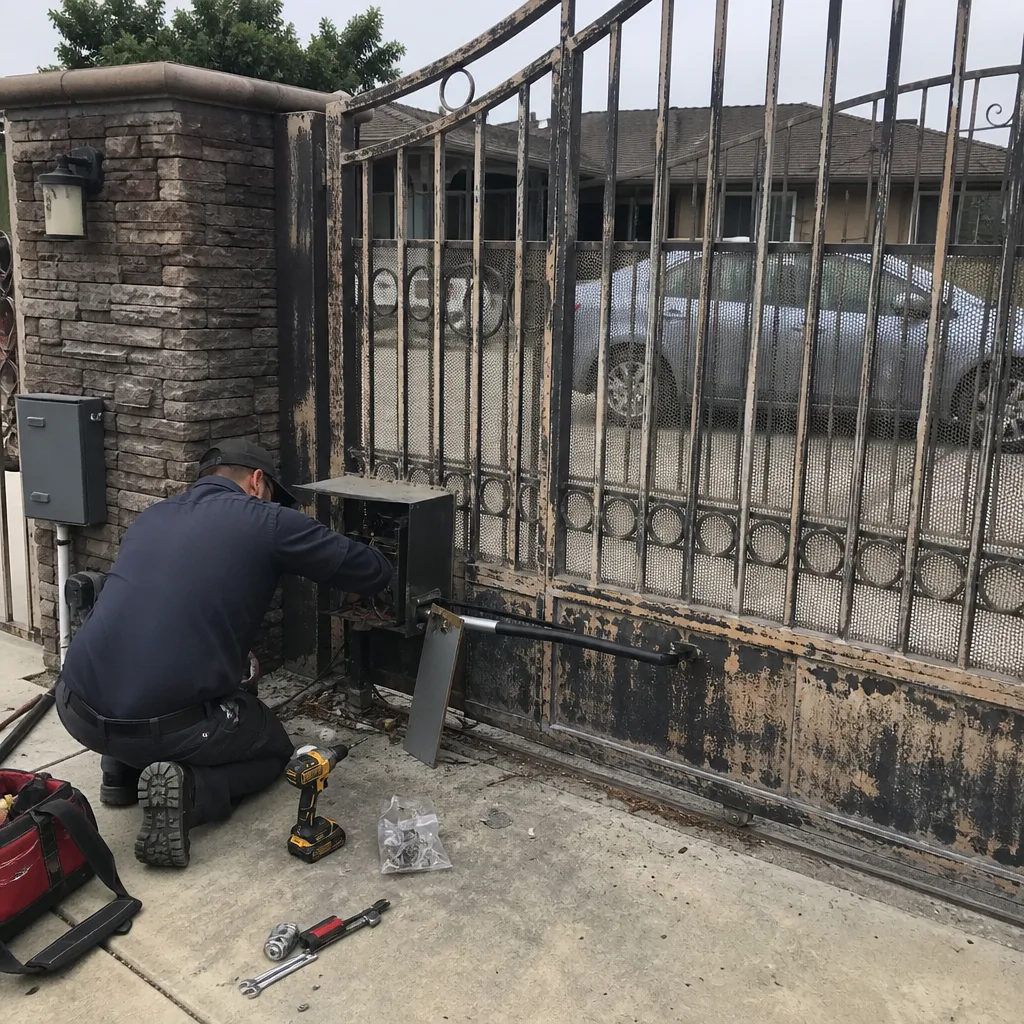 Before
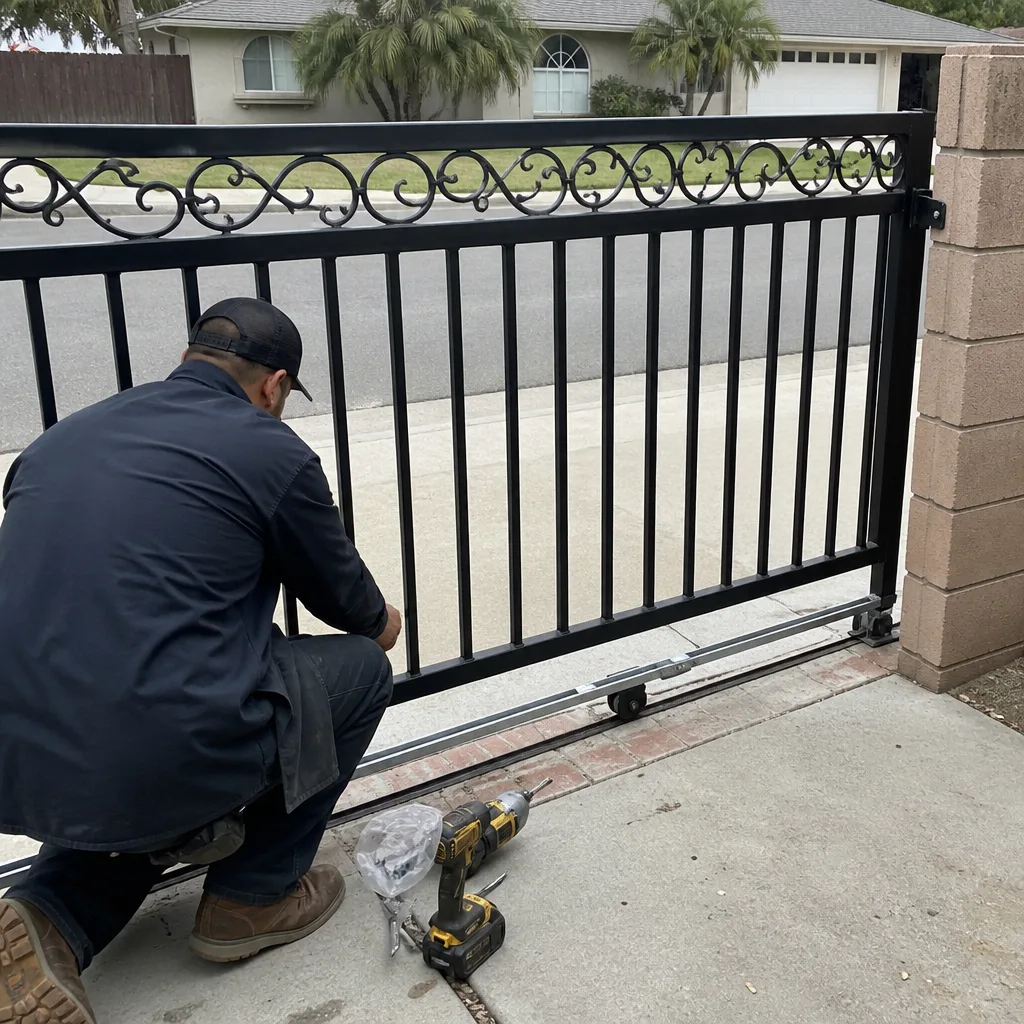 After
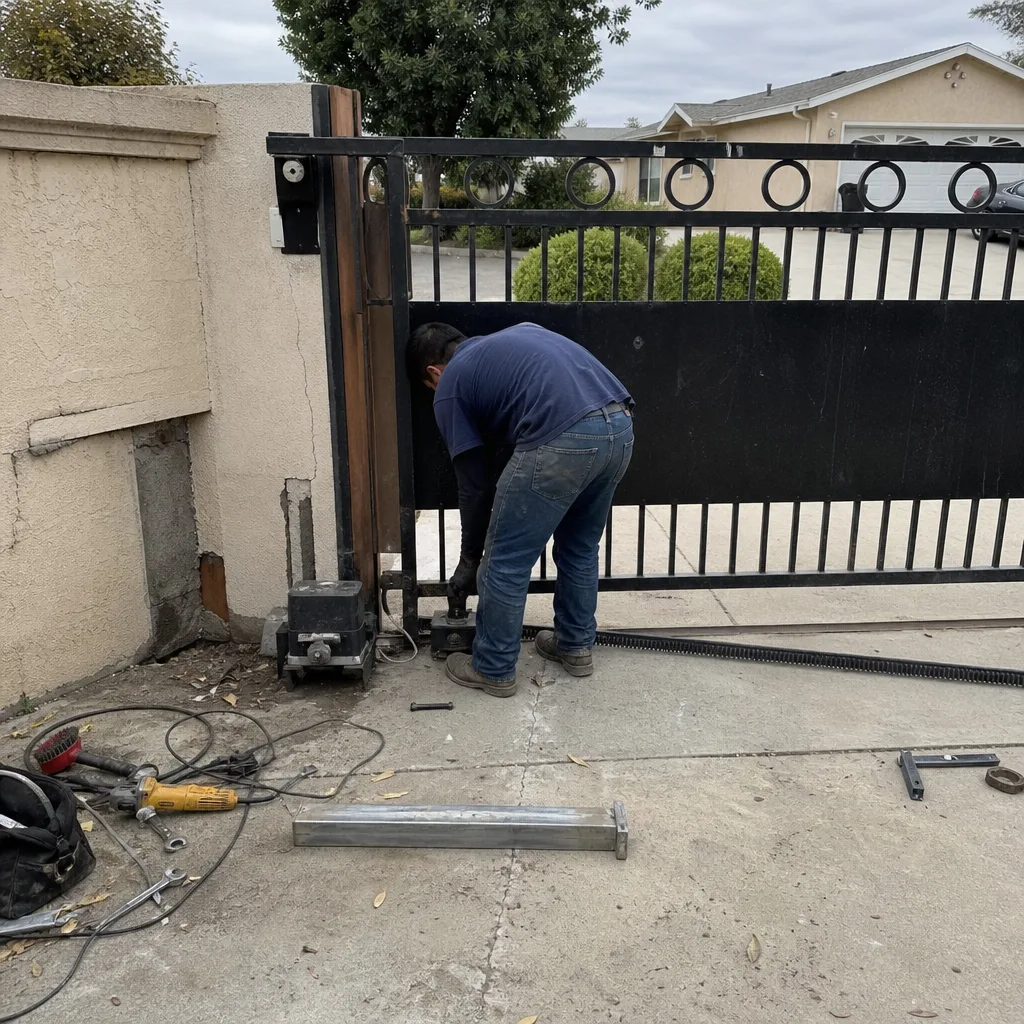 Before
 After
 Before
 After